Route overview
Four days from Lanzhou, arranged as a Rental Car for Foreigners in China: south to Linxia for the Bafang quarter and East Mansion, then Yongjing for a boat to the Bingling cave temples, west to Xiahe for Labrang monastery and Sangke grassland, back to Lanzhou. About 530km, expressway first, then the Gannan plateau with altitude and reasonable roads.
Highlights
- See Linxia's brick carving and old courtyards in Bafang
- Visit the cave carvings above the Yellow River at Bingling
- Walk the long kora and halls of Labrang
- Cross the grassland and tents at Sangke
Suggested itinerary
- Day 1D1 Lanzhou to Linxia, 150km
- Day 2D2 Linxia to Yongjing and back, about 140km
- Day 3D3 Linxia to Xiahe, 130km
- Day 4D4 Xiahe back to Lanzhou, 250km
Day by day
D1 Lanzhou to Linxia
Total driving today 150km
Bafang Quarter
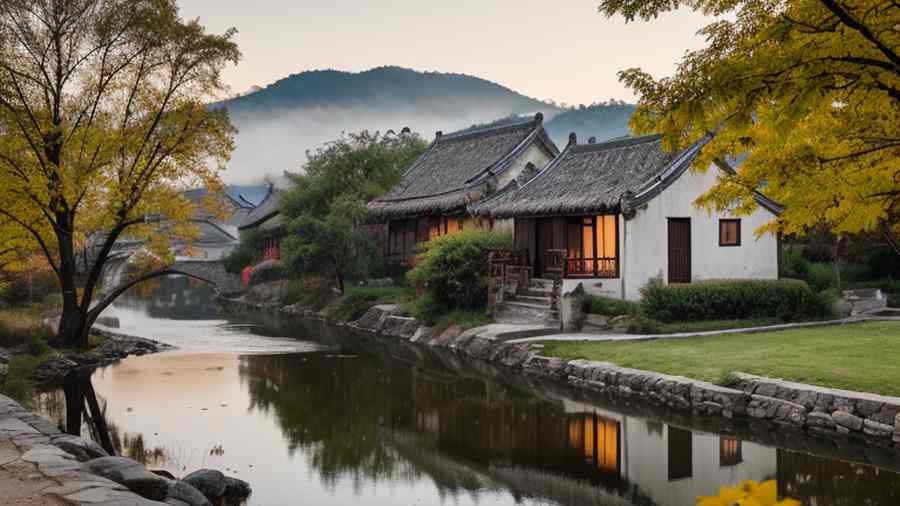
Bafang in central Linxia is the old Hui quarter, courtyard gateways carved in brick with flowers and geometry, several houses turned into halls showing how Linxia brick carving is done, with mosques and restaurants serving hand-pulled lamb. Large vehicles stay outside, a few minutes on foot leads in, paving is level, thresholds are high, carvings must not be touched and photography without flash is fine. An hour covers the quarter, mornings are quiet, and the gateways are the thing to see. Carved gateways from the late Qing survive, and a sweet fermented-rice shop sells iced bowls in summer.
East Mansion
The East Mansion in Linxia was Ma Buqing's residence in the Republican period, its walls covered in brick carving on gateways, screens and eaves, with birds, flowers, antiques and geometry cut deep in many layers, a showcase of Linxia work. The house is well kept, courtyards serve as galleries, the ticket is modest, a guide is worth hearing, carvings must not be touched and flash is banned. The approach is level with a few steps, an hour covers it, and snack stalls line the street outside.
- Where to eat
- Linxia serves hand-pulled lamb, Hezhou buns and lidded-bowl tea; restaurants cluster in Bafang.
- Roads and driving
- Lanhai expressway toward Linxia, motorway throughout with good surfaces.
- Where to stay
- No accommodation is booked; hotels in central Linxia are convenient.
Tips for the day
- Do not touch the carvings
- High thresholds, step over
- Dress modestly in the mosques
D2 Linxia to Bingling Temple at Yongjing
Total driving today about 140km
Bingling Cave Temples
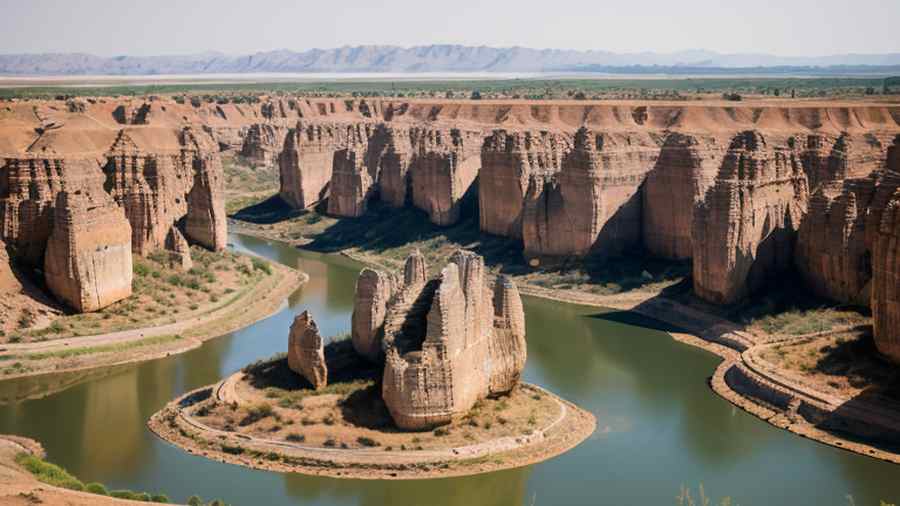
Bingling sits in the Xiaojishi hills at Yongjing, caves cut in the cliff above the Yellow River, reached by boat across the green water of Liujiaxia reservoir between red danxia walls in about an hour. The carvings run from Western Qin to Ming and Qing, the famous cave 169 keeping wall paintings and inscriptions still legible, and nothing may be touched nor flash used, with guides pointing out details. Parking is at the pier, boat and cave tickets are separate, the crossing is windy, steps lead to the caves, and two hours covers it.
Liujiaxia Reservoir
Liujiaxia reservoir at Yongjing is a large impoundment on the upper Yellow River, broad and green with a winding shore, platforms looking over the water and danxia hills, the dam near town high enough that release water can be heard from below. Entry is free, the approach is flat, rails are waist high, the wind is strong so hold your hat, and unrailed edges need care. Boats run by route at prices to confirm, and nearby restaurants cook Yellow River carp, ask first.
- Where to eat
- Yongjing serves Yellow River carp, cold starch noodles and fermented-noodle soup; ask fish prices first.
- Roads and driving
- Provincial road from Linxia to Yongjing, well surfaced with few bends and crosswinds near the reservoir.
- Where to stay
- No accommodation is booked; hotels in Yongjing town are convenient.
Tips for the day
- Boat and cave tickets are separate
- Windy crossing, bring a jacket
- No touching or flash in the caves
D3 Linxia to Xiahe
Total driving today 130km
Labrang Monastery
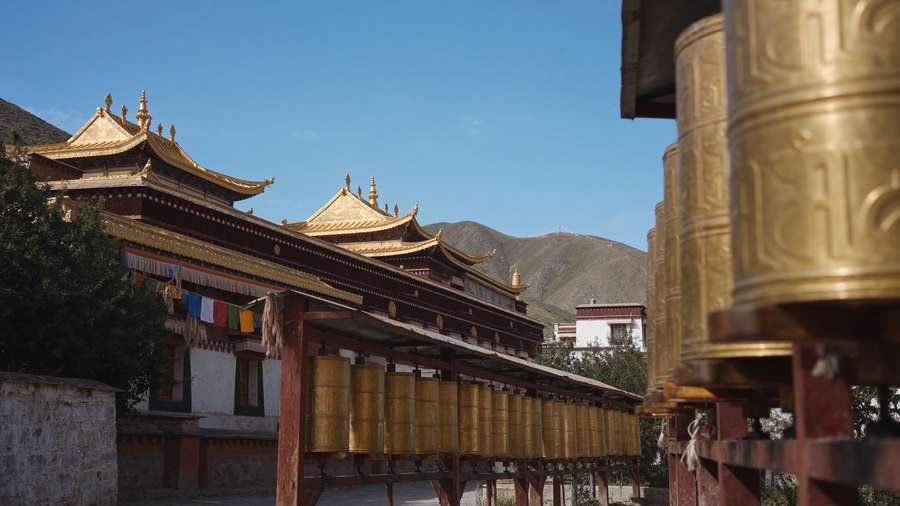
Labrang west of Xiahe town is a major Gelug monastery, halls ranked along the slope with gilded roofs bright in sun, a long kora of prayer wheels around the edge walked clockwise by pilgrims and visitors alike. Several colleges open to visitors, photography and touching are not allowed inside, hats come off, steps soften. Parking is at the gate, the ticket includes a guide who takes you through the main halls, two hours covers it, and at 2,900 metres fast walking leaves you short of breath. Many guests on a Rental Car for Foreigners in China walk the kora before entering the halls.
Sangke Grassland
Sangke south of Xiahe is a plateau meadow grazed by yaks and sheep with tents pitched on it, herders selling yoghurt and butter tea, gentle rises running to long ridges and cloud shadows on the slopes. Riding is offered at prices to confirm, the grass belongs to the herders so cars stay on the road and pull-offs, the wind is strong, the sun fierce, and altitude makes fast walking hard. Tent camps at the edge allow a night, which is cold, so bring a thick jacket.
- Where to eat
- Xiahe serves Tibetan meals, yak beef and yoghurt; town restaurants offer tsampa and butter tea.
- Roads and driving
- Provincial road via Tumen pass to Xiahe, altitude rising, bends with meeting traffic.
- Where to stay
- No accommodation is booked; Xiahe hotels or Sangke tent camps work well.
Tips for the day
- Walk the kora clockwise
- No photos or touching texts inside
- Windy and bright, bring hat and cream
D4 Xiahe back to Lanzhou
Total driving today 250km
Ganjia Grassland
Ganjia north of Xiahe is higher and more open than Sangke, herds spread across the grass and a white stone town on the horizon, the octagonal Bajiao fort of the Ganjia secret land, its walls of stacked stone opening the grassland on all sides from the top. Tracks are earth and muddy in rain, so sedans go slowly, the wind is strong, the sun fierce, and at three thousand metres fast walking takes your breath. The fort is free, park on open ground outside, steps lead onto the wall, and there is no food nearby, so carry water.
Lanzhou Yellow River Iron Bridge
Zhongshan bridge in central Lanzhou was the first iron bridge over the Yellow River, finished in 1909, a steel truss with a timber deck and a gateway bearing its name, the current running west to east below and the White Pagoda hill opposite. The deck is pedestrian, cars go to nearby car parks, the surface is level with a few steps up, rails line the sides, watch your belongings in crowds, lights come on at night, and forty minutes covers a walk with a bowl of beef noodles at the bridgehead.
- Where to eat
- Lanzhou serves beef noodles, cold starch noodles and fermented oats; bridgehead noodle shops are busiest in the morning.
- Roads and driving
- Provincial road via Linxia then Lanhai expressway to Lanzhou, hills first then motorway.
- Where to stay
- No accommodation is booked; return the car at the Lanzhou pickup point.
Tips for the day
- Earth tracks muddy in rain, drive slowly
- The fort is free, park outside
- Refuel in the city before returning
Pages that help on this route
- Rental packages and what is included
- Temporary driving permit in China
- All routes by province
- All cars in the fleet
Costs to expect
Included: basic vehicle use and route guidance notes. Excluded: tickets, parking, fuel, meals, accommodation and personal spending.
Driving tips
- The plateau runs above 2,800m, walk slowly and drink water
- Walk clockwise in the monastery
- Windy on the boat, bring a jacket
- Livestock on the road, slow down