Route overview
Four days from Yibin, arranged as a Rental Car for Foreigners in China: the bamboo sea and Lizhuang old town first, north to Dujiangyan for the two-thousand-year-old waterworks and Qingcheng mountain, then back to Yibin. About 700km, provincial roads through the southern hills first and long expressway days after.
Highlights
- Walk bamboo boardwalks in the southern bamboo sea
- See the wartime courtyards of Lizhuang
- Study the Fish Mouth and sand spillway at Dujiangyan
- Climb the Taoist temple steps on Qingcheng
Suggested itinerary
- Day 1D1 Yibin to the bamboo sea, 90km
- Day 2D2 Bamboo sea to Dujiangyan, 380km
- Day 3D3 Dujiangyan and Qingcheng, about 50km
- Day 4D4 Dujiangyan back to Yibin, 380km
Day by day
D1 Yibin to the Bamboo Sea
Total driving today 90km
Southern Sichuan Bamboo Sea
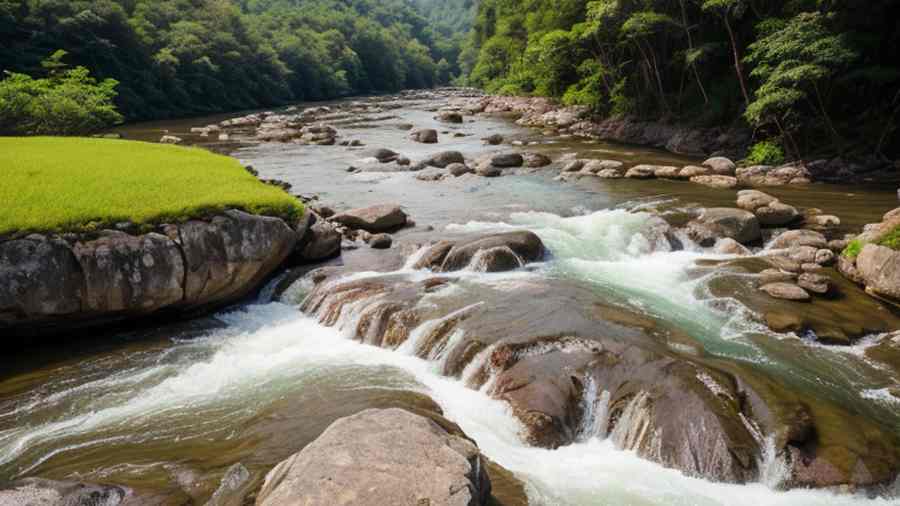
The southern Sichuan bamboo sea around Changning in Yibin is a range of bamboo hills, groves covering slopes and valley floors, with a viewing tower, falls and boardwalks where the canopy runs to the far ridges. The reserve is large enough to drive between viewpoints or use shuttles, the walks are gentle but damp boards are slick, so grippy shoes help. It runs a few degrees cooler than town in summer, mosquitoes are heavy so long trousers and repellent help, the ticket includes shuttles, and three hours covers it with farm meals inside. A viewing tower on the hill is the best place for the canopy, with a stream and stone paving below for a rest.
Lizhuang Old Town
Lizhuang on the Yangtze east of Yibin sheltered universities and institutes during the war, its old courtyards kept, several guild halls and temples turned into museums on the wartime move, stone lanes between timber shopfronts, the wharf opening the river. Parking is outside, a few minutes on foot leads in, paving slopes with steps, museums are free with registration, and the town sells thin-sliced white pork with garlic dip and white cakes. An hour covers it, the riverside is cool, and evenings are quiet. A wooden screen of carved cranes stands in the Zhang hall, and a ferry crosses to the far bank. Guests on a Rental Car for Foreigners in China often stop here for the wartime story.
- Where to eat
- Yibin serves burning noodles, Lizhuang white pork and bamboo-fungus soup; farm meals in the bamboo hills use shoots.
- Roads and driving
- Provincial roads from Yibin toward the bamboo sea, bending but well surfaced.
- Where to stay
- No accommodation is booked; lodges inside the bamboo reserve are convenient.
Tips for the day
- Slick boards, wear grippy shoes
- Mosquitoes, long trousers and repellent
- Large reserve, check the map at the gate
D2 Bamboo Sea to Dujiangyan
Total driving today 380km
Dujiangyan Waterworks
Dujiangyan on the Minjiang northwest of Chengdu is waterworks built at the end of the Warring States period: the Fish Mouth splits the river into inner and outer channels, the sand spillway scours silt in flood, and the bottle-neck mouth governs flow into the Chengdu plain, still working after two thousand years. Entry is through Lidui park, a mostly level walk to the Fish Mouth, and the Anlan suspension bridge sways with limited numbers on it, so steady feet help. Parking is available, the ticket is modest, audio guides can be hired, three hours covers it, the river is cool in summer, and South Bridge and old streets sit at the exit.
Guanxian Old Town
Guanxian old town in Dujiangyan city is the former county seat, with the South Bridge spanning a Minjiang channel in timber, painted along its covered walk and standing over fast water visible from the deck. Several streets are pedestrian, shops selling bean curd, scallion rolls and kiwi products, with old courtyards and a Confucian temple whose gate survives well. Cars stay at the car parks, a few minutes on foot leads in, paving is level, the bridge has steps and queues, lights come on at night, and an hour covers it.
- Where to eat
- Dujiangyan serves bean curd, scallion rolls and cold-water fish; small restaurants by South Bridge are reasonable.
- Roads and driving
- Yilu then the Chengdu-Chongqing ring expressway to Dujiangyan, motorway throughout, a long day with rest stops.
- Where to stay
- No accommodation is booked; hotels in Dujiangyan city are convenient.
Tips for the day
- The bridge sways and limits numbers
- Windy by the river, bring a jacket
- Start early and rest often
D3 Dujiangyan and Qingcheng
Total driving today about 50km
Qingcheng Mountain
Qingcheng southwest of Dujiangyan is a Taoist mountain whose temples, Jianfu, Tianshi and Shangqing, sit along the climb, stone steps through old trees and streams making the way quiet, the front slope temple-focused and the back slope about falls and ravines. Two and a half hours reach Shangqing from the gate over many steps; elders can take the cable car to mid-mountain and walk from there, ticketed separately. Parking is at the gate, a slope leads in, the mountain runs cooler so bring a jacket, voices stay low in temples, no flash at statues, and shops and toilets are on the way.
Jiezi Old Town
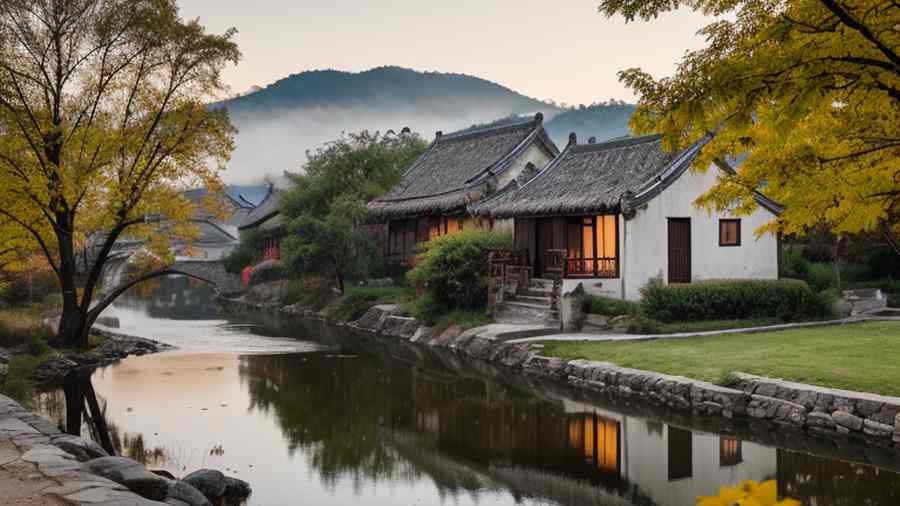
Jiezi north of Qingcheng is an old town whose gateway arch and stone lanes survive, timber shops selling sesame cakes, leaf-wrapped rice cakes and bamboo ware, courtyards turned into inns, and a temple at the end under a tall ginkgo. Parking is outside, a few minutes on foot leads in, paving is level with a few steps, the town is quiet when not busy, and a stream with a stone bridge runs along one side where water plants show below. Snacks are cheap, an hour covers it, and mornings are quiet for photos.
- Where to eat
- Below Qingcheng, cured pork, ginkgo chicken and Taoist rice wine; Jiezi is known for sesame cakes.
- Roads and driving
- Provincial roads between Dujiangyan and Qingcheng, well surfaced with few bends.
- Where to stay
- No accommodation is booked; a second night in Dujiangyan or below Qingcheng is easy.
Tips for the day
- Many steps on the front slope, elders take the cable car
- No flash in the temples
- Cooler up there, bring a jacket
D4 Dujiangyan back to Yibin
Total driving today 380km
Chengdu Kuanzhai Alleys
Kuanzhai alleys in old Chengdu are three parallel lanes whose grey brick walls and gateways survive, courtyards turned into teahouses, restaurants and small galleries, with ear-cleaning and lidded-bowl tea trades, the carved gateways the photo spot. Cars stay in nearby mall garages, a few minutes on foot leads in, paving is level with a few steps, watch your belongings in crowds, and tea inside costs more than outside. Mornings are quiet for photos, evenings are liveliest, and an hour covers it.
Yibin Three Rivers Mouth
The three rivers mouth in Yibin is where the Jinsha and Min join to form the Yangtze, a riverside square with paths and platforms where the two waters differ in colour and a clear line marks the meeting, the white pagoda and hills opposite. Entry is free, the paving level without steps, the wind fresh, locals walk and dance at dusk, teahouses and stalls line the square. Parking is nearby with a flat approach, unrailed edges need care, water rises fast in flood, and a lower platform allows a closer look.
- Where to eat
- Yibin serves burning noodles, cold rice cakes and skewers; the night market by the confluence is lively.
- Roads and driving
- Chengdu-Chongqing ring then Yilu expressway back to Yibin, motorway throughout, a long day with rest stops.
- Where to stay
- No accommodation is booked; return the car at the Yibin pickup point.
Tips for the day
- No parking in the alleys, use a mall garage
- Keep off unrailed edges
- Refuel in the city before returning
Pages that help on this route
- Rental packages and what is included
- Temporary driving permit in China
- All routes by province
- All cars in the fleet
Costs to expect
Included: basic vehicle use and route guidance notes. Excluded: tickets, parking, fuel, meals, accommodation and personal spending.
Driving tips
- Bamboo forest is damp, wear grippy shoes
- Many steps on Qingcheng, pace yourself
- Start early on long days, use services
- Hill rain is frequent, bring rain gear