Route overview
Four days from Shijiazhuang airport: first the old town of Zhengding twenty odd kilometres away, where the Song halls of Longxing temple and the bell tower of Kaiyuan stand inside the walls, streets laid out square and easy to walk. East the next day to Baiyangdian, where reeds cut the water into lanes, a boat ride reaching the lotus garden and the village of Gazi, with the Swallowtail militia museum recording the wartime story of these waters. Two nights in a lakeside village, up early to watch nets come in. Motorway and provincial road most of the way, narrow lanes inside the wetland. This is a Rental Car for Foreigners in China route joining an old town and a water country.
Highlights
- Rental Car for Foreigners in China: the Mani hall of Longxing temple keeps its Song fabric, brackets stacked course on course
- The Tang bell tower and Xumi pagoda share one yard at Kaiyuan, steps worn bright
- A boat into the reed lanes of Baiyangdian, lotus leaves brushing the hull
- Gazi village and the Swallowtail militia museum tell the wartime story of the wetland
Suggested itinerary
- Day 1Shijiazhuang airport to Zhengding old town, about 30 km
- Day 2Zhengding to Baiyangdian, about 160 km
- Day 3A day on the water at Baiyangdian, about 60 km
- Day 4Baiyangdian back to Shijiazhuang airport, about 180 km
Day by day
Shijiazhuang airport to Zhengding
About 30 km, 40 minutes
Longxing Temple
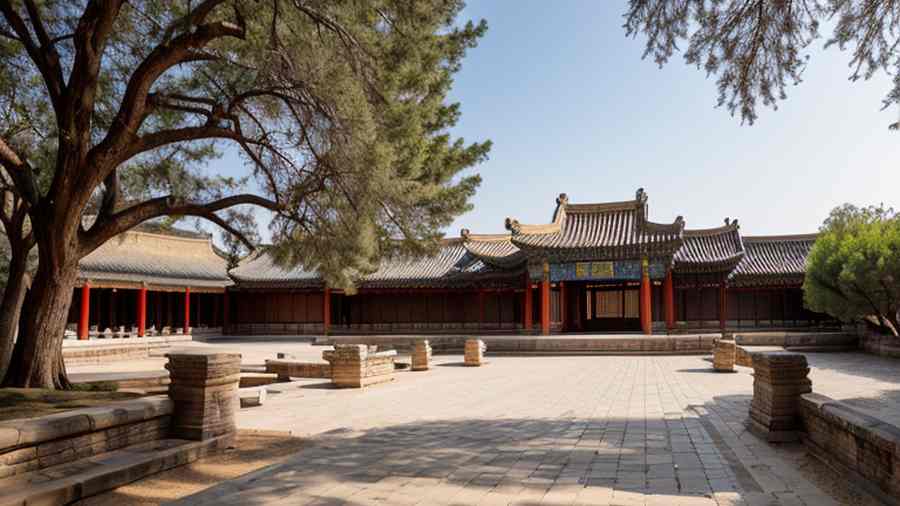
Longxing temple stands inside the east gate of Zhengding, founded in the Sui as Longzang and renamed after the Song expansion, known locally as the Great Buddha temple. The Mani hall keeps its Song fabric, brackets stacked course on course, and the reclining Guanyin behind it has robes that flow easily, people standing a long while under the eaves. The Great Compassion hall holds a bronze thousand-hand Guanyin, the Sui stele in front still legible, and the wooden revolving sutra store is worth a close look. A public car park sits before the gate, few steps inside, the rear courtyard flags slippery in rain. Allow an hour and a half, benches under the eaves, old locust trees giving shade in summer. Stone steps and dirt trails turn slippery after rain, so take your time.
Kaiyuan Temple
Kaiyuan temple near the south gate of the old town was founded under the Eastern Wei and renamed in the Tang, its bell tower and Xumi pagoda rare early timber and brick work in this region. The two-storey bell tower has stout column bases and a great bell above, the square pagoda grows grass in its joints, and the steps below are worn bright. A huge stone turtle plinth stands in the yard, its socket clear, showing how stelae were raised here. The sights fit in a quarter acre, forty minutes at an unhurried pace. A few cars park by the street gate, otherwise use the south gate car park. No big trees, so bring a hat at midday, and watch the steps.
- Where to eat
- Zhengding's stir-fried liver, eight-bowl feast and clay oven sesame cakes
- Roads and driving
- Airport expressway then town streets, low limit inside the walls
- Where to stay
- One night in a guesthouse inside the old town, car in the outside car park
Tips for the day
- Longxing temple stops admitting at five, see the halls first
- No horns inside the old town, lanes are quiet at night
- No flash inside the dim halls
Zhengding to Baiyangdian
About 160 km, 2h20
Baiyangdian
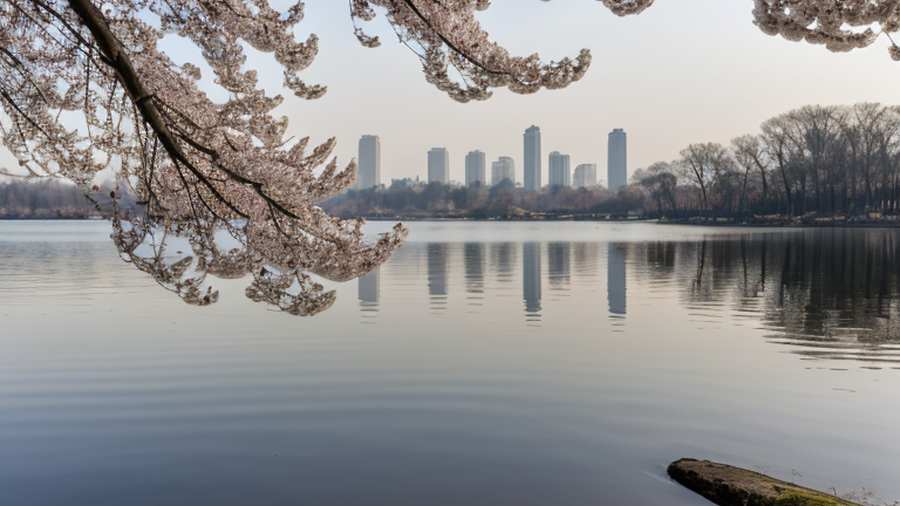
Baiyangdian east of Baoding is one of the few large natural freshwater marshes in north China, its water cut by reeds and dikes into lanes, villages reached by boat. The marsh served as the Song-Liao water frontier and later as ground for the Swallowtail militia in the war, creeks and reeds giving natural cover. A boat is the proper way in: from the landing the narrow channels run between reeds taller than a man, lotus leaves brushing the hull, the boatman poling quietly. Parking at the landing is allocated by sailing, arrive early in season. It is exposed on the water, so bring hat and water, and step slowly as the boat moves.
Lotus Garden
The lotus garden occupies an island in the marsh, more than a hundred varieties planted across one sheet of water, early flowers in June through late ones in September. Timber boardwalks link the islets just above the surface, leaves within reach, a viewing terrace at the back looking over the whole field to the channels beyond, petals turning pale as the wind flips them. Boats reach the island from the shore landing in about fifteen minutes, run more often when busy. The boardwalk is slippery, wear grippy shoes, and midday is harsh, mornings and evenings kinder. Shade comes from pavilions rather than trees, so rest as you go and hold children at the rails.
Gazi Village
Gazi village sits on a water-bound island in the marsh, named for the boy soldier of the novel, houses ranged along the water with nets and corn drying in the yards, lanes narrow enough to pass sideways. A few old houses keep their earth walls and timber windows, fish creels, straw capes and old oars hung on the walls, and the guide explains how families lived on the water, breaking ice in winter and guarding reeds in summer. The lanes and the steps down to the water are the sight, children fishing from the flags. Boats reach the island, parking at the landing, sailings following demand. Ground is uneven, wear flat shoes, and buy lotus starch or salted duck eggs from the stalls.
- Where to eat
- Stewed fish, lotus root sandwiches and cornmeal cakes in the village kitchens
- Roads and driving
- Mostly motorway, narrow inside the wetland, speed bumps at village mouths
- Where to stay
- Two nights in a guesthouse in a village on the edge of the water
Tips for the day
- Lanes are narrow, give way to farm vehicles
- Guesthouses sit inside villages, arrive before dark
- Windy on the water, bring a light jacket
A day on the water at Baiyangdian
About 60 km with the boat legs
Swallowtail Militia Museum
The militia museum stands at the mouth of a village by the marsh, small, telling how wartime militia harried Japanese supply boats with muskets and wooden craft. Cases hold goose-feather fletching, powder gourds, old oars and captured kit, a waterway map on the wall marking the ambush points the guide will show you. Behind the museum a stand of reeds shows how narrow the channels are, hard even to turn a boat. Parking at the gate, two minutes to the hall, level floors and benches. Stand a while by the reeds afterwards, the wind loud through the stems; mosquitoes are thick in summer, so cover up.
The Marsh Landing
The landing is the door of these villages onto the water. Boats come in at dawn, baskets lifted out, basins of fresh fish lined along the bank while buyers crouch to choose. Concrete steps run down to the water, the lower two drowned when the level is high, so watch the mark. Cradles for repairing hulls and racks for drying nets stand on the bank, and the mending is quick to watch. A dozen cars fit beside the landing, tighter in season, so come early. No shade at midday, kinder at dawn and dusk when the light is soft. Steps are slippery after rain, hold children's hands. Stone steps and dirt trails turn slippery after rain, so take your time.
- Where to eat
- Whole fish feast, shrimp paste pancakes and rice steamed in lotus leaves
- Roads and driving
- Lakeside lanes, narrow and bending, watch for scooters
- Where to stay
- A second night in the same guesthouse
Tips for the day
- The museum closes one day a week, check before going
- Wind picks up in the afternoon, bring a layer for the return
- Dogs in the villages, ask before entering a yard
Baiyangdian back to Shijiazhuang airport
About 180 km, 2h30
The Marsh Dikes
Dikes separate the water from the villages, a narrow road along the crest with water and reed beds on either side, slow driving and good looking. The earth was dredged up over the years and grassed over, green in spring, yellow in autumn. Pump stations and sluices stand along the dike, gates lifting to move water from one level to another, the local system that keeps the marsh watered. Parking on the crest is sparse, stop only where it widens. The road is narrow, so find a wide spot to pass, give way to scooters, and stand back from the unrailed edge when the wind is up. Stone steps and dirt trails turn slippery after rain, so take your time.
- Where to eat
- Noodles and stews at service areas, salted duck eggs from the marsh
- Roads and driving
- Provincial road to motorway, the narrow wetland stretch first
- Where to stay
- Return the same day, no overnight
Tips for the day
- Fill the tank before returning, few stations near the airport
- Keep seafood in a cool bag
- Allow two hours buffer for the flight
Pages that help on this route
- Rental packages and what is included
- Temporary driving permit in China
- All routes by province
- All cars in the fleet
Costs to expect
Temple tickets, the boat on the wetland, village lodging, fuel and tolls make up most of it, food by the water is modest, quoted by the licensed agency.
Driving tips
- Lanes in the old town are narrow, park outside the walls and walk in
- Boat schedules depend on wind, confirm the return before setting out
- Mosquitoes are thick by the reeds, bring long sleeves and repellent
- Evenings are cool on the water in autumn, keep a jacket in the car