Route overview
This trip picks up in Zhengzhou, heads southwest to Nanyang for the Medical Sage Shrine and Han stone relief gallery, moves north to Luoyang for the White Horse Temple, Longmen Grottoes and old-town lanes, then goes south to Xinyang for Jigong Mountain and Nanwan Lake before returning to Zhengzhou, over five days and roughly 1,210 km. Expressways join mountain provincial roads with gentle bends in the southern Henan hills, suiting travellers who want central Plains historic sights and southern Henan woodlands in one trip. A Rental Car for Foreigners in China on this central-southern Henan loop finds easy resupply between cities; spring and autumn are comfortable, while summer calls for sun and rain protection on hills and by rivers.
Highlights
- Nanyang's Medical Sage Shrine and Han relief gallery for Han medicine and stone art
- Luoyang's White Horse Temple, Luoyi old town and Longmen Grottoes capital relics
- Hao Tang village, Jigong Mountain and Nanwan Lake in the southern Henan hills
- A Rental Car for Foreigners in China touring central Plains relics and tea hills, with pace and mountain roads planned ahead
Suggested itinerary
- Day 1D1 Zhengzhou to Nanyang — 280 km
- Day 2D2 Nanyang to Luoyang — 260 km
- Day 3D3 Luoyang stay, short shuttle to Guanlin — 10 km
- Day 4D4 Luoyang to Jigong Mountain, Xinyang — 330 km
- Day 5D5 Xinyang back to Zhengzhou — 330 km
Day by day
Day 1 Southwest from Zhengzhou to Nanyang
About 280 km today
Medical Sage Shrine
The Medical Sage Shrine stands in eastern Nanyang, a temple complex honouring the Eastern Han physician Zhang Zhongjing. Courtyards open along an axis, joining gate, worship hall, tomb pavilion and side stele corridors among old cypresses. Zhang is revered as the medical sage; his writings summed up pre-Han diagnostic and treatment experience, and the shrine displays later editions, prescription rubbings and biographical boards. Through the gate study the courtyard plan and tomb pavilion, read medical-allusion steles, and match chronology boards with medicine relics. Park in the front lot and walk in; courtyards are mostly flat with a few thresholds and steps, about an hour and a half. The stele corridor is level, while cabinets stay dim. Elders walk the axis slowly and should not climb side platforms. Trees bloom in spring and cypresses shade in summer; slabs are slippery in rain.
Han Stone Relief Gallery
The Han Stone Relief Gallery lies in western Nanyang, a themed museum centred on Han carved stone reliefs. Galleries are grouped by daily life, song and dance, historical tales and mythology; bluestone carvings are mounted on walls in archaic lines, preserving Han social details. Nanyang is one of the regions where Han reliefs were unearthed in numbers; these stones once lined tomb and shrine walls and were later collected here for conservation. Follow the gallery order through processions, banquets, dances and myth scenes, using boards to read subject meaning and period background. Park in the front lot and walk in; indoor floors are flat, ramps and lifts help between levels, one to two hours. Keep distance from cabinets and do not touch stone surfaces. Gallery temperature runs low, so bring a light jacket; elders go slowly with seating between halls. Check Monday closing arrangements.
- Where to eat
- Dinner in Nanyang centres on beef banmian, huimian stewed noodles and wozi noodles; town noodle shops give generous portions with braised side dishes, and hot soup noodles suit a travel day.
- Roads and driving
- Join the Erguang expressway from Zhengzhou toward Nanyang; central Henan plain gives way to southern Henan hills, the surface stays smooth, and watch crosswind on bridge and tunnel sections. This common expressway-to-town leg for a Rental Car for Foreigners in China entering the Nanyang basin ends at signs for the shrine and museum parking.
- Where to stay
- Stay in Nanyang city; hotels and meals concentrate around the Bai River, and you head for Luoyang early next morning.
Tips for the day
- Shrines and museums may close on Mondays; confirm opening hours through official channels before setting out.
- Flash photography is banned in the relief gallery; stone floors stay cool, so wear non-slip shoes.
- Old town junctions have many lights and night cyclists; slow and watch when turning.
Day 2 North from Nanyang to Luoyang
About 260 km today
White Horse Temple
White Horse Temple lies in the eastern suburbs of Luoyang, among the earliest monasteries built after Buddhism entered the central Plains. The compound opens along a central axis with gate, Heavenly King Hall, Great Buddha Hall and Pilu Hall in sequence, old cypresses and steles side by side. Legend says Han envoys brought sutras back from the Western Regions, carried by white horses to this site, which gave the temple its name; rebuilt in later ages, it keeps a traditional northern layout. Through the gate study axis halls and old steles; east courtyards hold prayer buildings in different regional styles, and boards explain lineage and exchanges. Park in the large outside lot and walk in; courtyards are mostly flat with few steps and thresholds, about two hours. Keep quiet in halls and do not touch ritual objects. Elders walk the axis slowly and choose side courtyards; cypresses shade in summer.
Luoyi Old Town
Luoyi old town sits in Luoyang's old-city district, a historic quarter opened on former walls and lanes. Traditional-style shops, tea houses and a stage line the old street, a river runs through, and lanterns light the whole quarter after dark. Built on Luoyang's capital background, the area arranges exhibitions and folk performances, with craft workshops, costume rental and snack stalls in the lanes, a concentrated evening old-town visit. Along the street watch roof outlines, stone bridges and stage shows; as lights come on at dusk lane layers read clearly, and craft workshops show hand-making. Park in the outside public lot and walk in; lanes are slab paths crossing flat ground and small bridges, two to three hours on foot. Weekend nights are crowded, so keep valuables close. Elders walk the main street slowly; side-lane steps vary. The riverside stays cool in summer; bring a jacket on spring and autumn evenings.
Longmen Grottoes
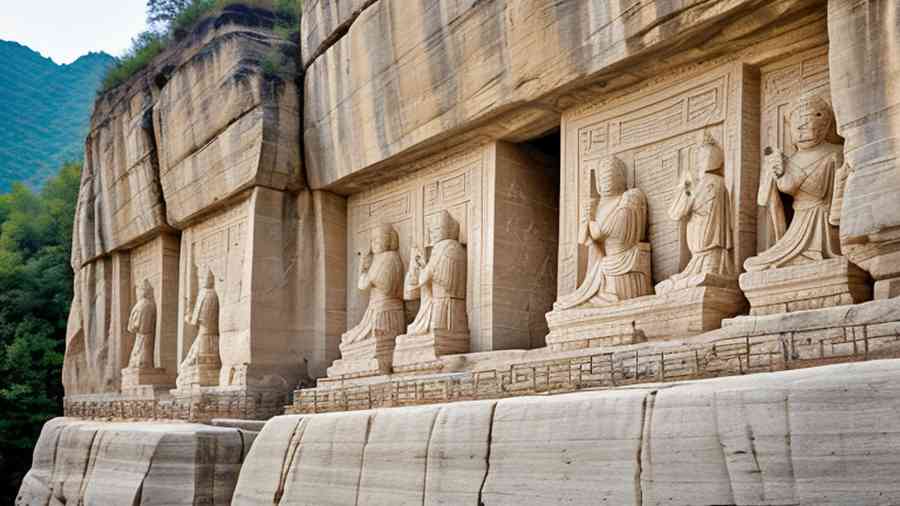
Longmen Grottoes lie on both banks of the Yi River south of Luoyang. Cave niches and statues were carved into west and east cliff faces through Northern Wei and Tang periods; grottoes line the rock, with Buddhas, apsaras and reliefs covering the stone, a concentrated central Plains grotto group. The Yi flows between hills, boats face the cliffs, and viewpoints sit along the west-bank path. Follow the west walk through major caves and principal statues, read inscriptions and relief patterns. Park in the site lot and walk or take the shuttle to the west entrance; cliff paths cut along the hillside with many steps, three to four hours in all. Moderate visitors stay on the west main-cave section. Statues and faces may not be touched or climbed; cave light is dim, so watch footing. Summer sun is strong, so wear a hat and carry water.
- Where to eat
- Dinner in Luoyang features beef soup, small water-banquet dishes and pot stickers; the old-town Cross Street night market is lively. After half a day with a Rental Car for Foreigners in China, see the old-town evening scene first, and season soup to taste with chilli and scallion.
- Roads and driving
- Take the expressway north from Nanyang via Pingdingshan into Luoyang; western Henan hill sections alternate tunnels and slopes, light changes after tunnels, so slow down. Follow navigation in the city to temple and old-town parking.
- Where to stay
- Stay in Luoyang old town or Jianxi district; the old town suits walking lanes, while Jianxi offers many hotels with easier parking.
Tips for the day
- Longmen Grottoes are visited along both banks of the Yi River with long paths, so wear comfortable walking shoes.
- Foreign-style halls at White Horse Temple stand on the east side of the compound; follow the map order.
- Luoyi old town draws crowds at night; keep valuables on you and use the outside public car park.
Day 3 Luoyang stay, Guanlin cypresses
About 10 km today
Guanlin
Guanlin stands south of Luoyang, the temple-garden where Guan Yu's head was buried. Courtyards follow a central axis with opera stage, gate, worship hall, main hall and tomb mound in sequence; ancient cypresses form a grove, with steles and stone archways. The temple was repaired through generations, and Ming-Qing steles and couplets remain among the cypresses. As a quiet temple stop on a Rental Car for Foreigners in China staying in Luoyang, it moves more slowly than the grotto area, letting you study courtyard layers and archway carving. Along the axis read hall plaques and archway carvings, and walk through the grove to the tomb. Park in the front-square lot and walk in; courtyards are mostly flat with a few thresholds and steps, one and a half to two hours. Keep quiet and do not walk on grass around the tomb. Elders rest on eave benches.
- Where to eat
- At noon near Guanlin try Luoyang jiangmian noodles, pan-fried dumplings and braised sides, then walk under the ancient cypresses after the meal.
- Roads and driving
- No long drive today; the short city hop to Guanlin runs on urban roads, the lot is at the front square, and you walk into the temple.
- Where to stay
- Keep the same Luoyang hotel; leave luggage in the room and visit the temple light.
Tips for the day
- Temple cypresses are ancient; do not climb trunks, and do not smoke outside incense areas.
- Rubbing or touching steles in the forest is banned; view from off the path.
- The temple stays cool in the afternoon; walk slowly, and elders can rest under side-hall eaves.
Day 4 South from Luoyang to Jigong Mountain, Xinyang
About 330 km today
Hao Tang Village
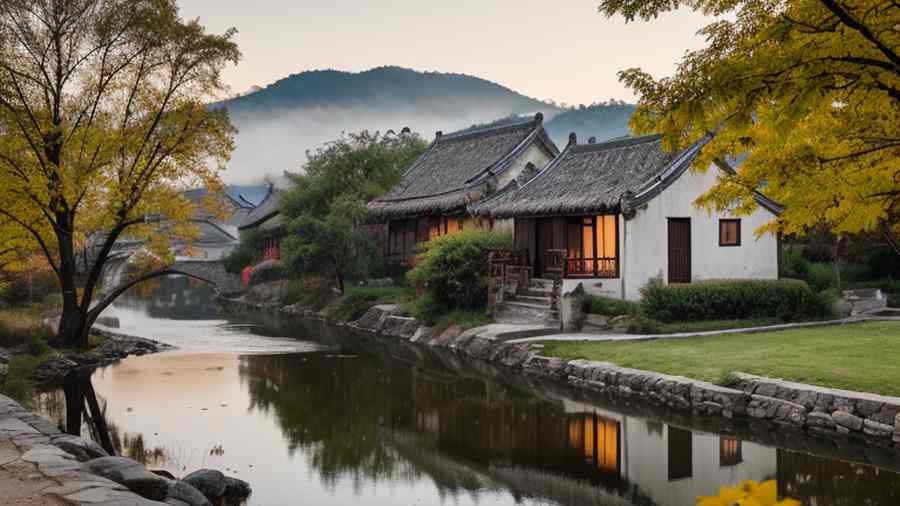
Hao Tang Village lies in the suburbs of Pingqiao District, Xinyang, an eco-village with a southern Henan waterside look. Lotus ponds spread at the entrance, lanes run along ponds and streams, houses are white-walled grey-tiled courtyards, and an old mill, stone bridges and tea ridges remain. In recent years the village opened through ecological restoration and rural tourism, with ponds, a study hall and craft workshops linked into a slow-walk route, a pastoral stop before going into the hills. Along pond banks watch lotus leaves, water and opposite houses; in lanes view old courtyards and workshops, with soft slanted light early and late. Park in the village-entrance lot and walk in; lanes are smooth, ridges and bridges have a few steps, one to two hours. Pond banks are slippery, so keep off unopened fields. Elders follow the main road slowly; food shops are scattered, so carry water.
Jigong Mountain
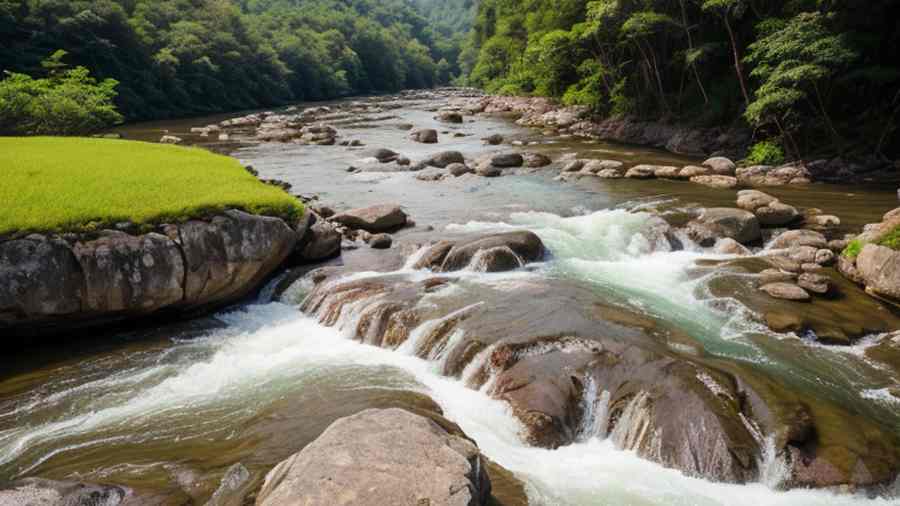
Jigong Mountain stands in southern Xinyang on the Henan-Hubei border, in the western Dabie range. It is not high but densely wooded, a summer retreat with pines and bamboo in thickets and springs through the forest. Since the late Qing, villas and temple buildings of varied styles were built on slopes and among trees. The main peak looks like a crowing rooster, giving the mountain its name; slopes rise gently, cloud often wraps the waist, and summer temperature runs below the valley. Along the climbing path watch old villas among pines and bamboo and viewpoints over ranges and cloud sea. Park at the foot or on the hilltop, take the bus or walk up; paths are steps and dirt roads with moderate drop, three to four hours in all. The hilltop stays cool, so a jacket is essential; stone steps are wet in rain, so hold railings.
- Where to eat
- Dinner in Xinyang features Nanwan fish, Gushi goose dish and hot dry noodles; hill restaurants serve savoury flavours, and hot food before the climb steadies you.
- Roads and driving
- Join the expressway from Luoyang toward Xinyang; western Henan plain transitions to southern Henan hills, the expressway runs smoothly, and near Jigong Mountain you turn onto a mountain provincial road where bends increase, so watch oncoming traffic.
- Where to stay
- Stay at a guesthouse on Jigong Mountain or at its foot; the hilltop stays cool in summer, and for morning mist stay at a mountaintop inn before descending next day.
Tips for the day
- The uphill winding road has many bends; sound the horn, slow on cliff edges and keep right when meeting traffic.
- Hilltop villas are scattered; take a map at entry and link sites along the walking route.
- Mountain mornings and evenings are cool; bring a long-sleeve jacket even in summer, and wear non-slip shoes to climb.
Day 5 Nanwan Lake, back to Zhengzhou
About 330 km today
Nanwan Lake
Nanwan Lake lies west of Xinyang, a large reservoir lake among low hills where water divides into many wooded islands, ringed by tea hills and wetlands. The clear water is a representative southern Henan mountain-lake scene. After the reservoir was built for irrigation and supply, the shore developed into a scenic area, with boats linking main islands holding tea gardens, wood paths and pavilions. On the cruise watch scattered islands, open water and layered hills; land on an island for tea gardens and waterbirds along forest paths, and shoot reflections from viewpoints. Park in the dock lot, take the boat to islands; island paths are dirt and stone steps, a round trip of two to three hours. Shore edges are slippery, so keep off unpaved banks. Elders stay on main-island flat paths; wind over water is strong, so bring a jacket and a hat in summer.
- Where to eat
- Breakfast at the foot of the hill is hot dry noodles and spicy mashed soup; lakeside fishermen's restaurants serve freshwater fish, and restock water and fruit in county town before the return.
- Roads and driving
- Take the Beijing-Hong Kong-Macau expressway north from Xinyang back to Zhengzhou; southern Henan hills give way to central plain, and watch fatigue on long straight legs, stopping at service areas every two hours.
- Where to stay
- No overnight stay is arranged; you return to Zhengzhou the same day. If you want an extra night, stay in Xinyang city and take the return expressway next morning.
Tips for the day
- Lake boat schedules are fixed; confirm sailing and return times at the dock before setting out.
- Island paths run by the water; walk slowly on slippery spots and do not climb shore rocks.
- The return leg is long; fill the tank before departure and watch remaining range at service areas.
Pages that help on this route
- Rental packages and what is included
- Temporary driving permit in China
- All routes by province
- A car that suits this route: Volkswagen Tiguan L (Mid-size SUV)
Costs to expect
Included: vehicle use, basic insurance, pick-up and drop-off. Not included: tickets, meals, hotels, fuel and tolls.
Driving tips
- Bring your passport and temporary driving permit; check brakes and tyres before southern Henan hill roads.
- Walking at grottoes and temples is extensive, so pack comfortable walking shoes and an extra jacket for spring and autumn mornings and evenings.
- Mountain weather changes fast; carry a raincoat and slow down on wet stone steps.
- With a Rental Car for Foreigners in China crossing prefectures, watch pedestrians and farm vehicles at county junctions and pass market towns within the speed limit.