Yunnan self-drive rental for foreigners: planning a low-altitude route for travellers sensitive to high elevation
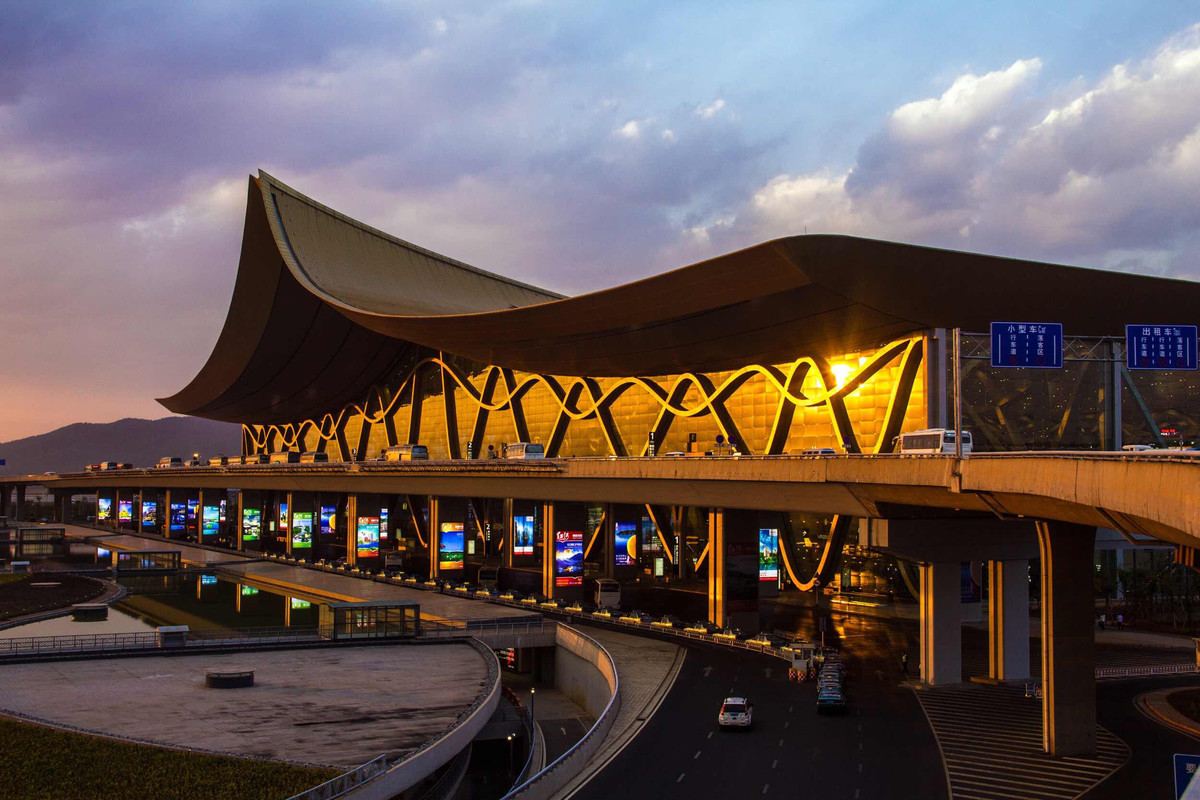
I stepped off the plane at Kunming Changshui on a crisp October morning, the thin, sun-warmed air hitting my cheeks as I walked toward the arrivals hall. My friend Tom, who’d spent the last three years avoiding any hike above 2,000 metres after a bout of altitude sickness in the Andes, was already leaning against a luggage cart, squinting at the snow-dusted peaks visible above the terminal roof. “Remind me we’re not heading up to Shangri-La this time,” he said, half-joking, half-serious. We were there to map out a Yunnan self-drive route that stuck to lower elevations, no breathless stops at 3,000-metre passes, no waking up with a throbbing headache halfway through a sunrise view.
Most visitors to Yunnan default to the classic loop that climbs all the way up to Shangri-La, but if you’re elevation-sensitive, that’s a hard pass. The good news is that the stretch from Kunming down through Dali and Lijiang stays mostly between 1,800 and 2,400 metres, with gentle climbs that don’t leave you gasping for air halfway up a scenic overlook.
Sorting out Kunming airport car rental for foreigners: the bits you can’t wing
We’d pre-arranged everything before we left London, because I’d heard too many horror stories of travellers turning up at rental counters only to find they didn’t have the right documentation. First off, you don’t need to mess around with international permits here — the rental team can arrange a China temporary driving licence for 1,500 RMB, no in-person visit required. That took a weight off Tom’s shoulders, who’d spent a week panicking he’d forgotten to sort out paperwork back home.
We picked up our car right at the airport, no need to haul a 20-minute taxi ride into the city to a downtown office. We went for the VW Lavida 1.5L petrol — 260 RMB a day, 3,000 RMB rental deposit, unlimited mileage. I’d considered the Tank 300, but at 400 RMB a day with a 300 km per day limit, it didn’t make sense for our laid-back, meandering pace. The Lavida was zippy enough for the winding mountain roads, and we didn’t have to stress about hitting a daily kilometre cap as we stopped every half hour to take photos of the terraced rice fields.
“Wait, we don’t have to pay extra for unlimited mileage?” Tom asked, leaning in to check the paperwork as the agent handed over the keys. I nodded. That was the main reason we skipped the Tank — when you’re stopping for every random village teahouse along the way, a kilometre cap just adds unnecessary stress.
Insurance was all bundled in, compulsory and commercial cover included. I made a mental note of the excess rules: minor scratches under 1,500 RMB come out of your pocket, anything above that goes through insurance with you covering 30%. Scratches that don’t break the primer? No charge at all. No random downtime fees, no depreciation charges for paintwork — that was a relief, as I’d scraped a rental car’s bumper on a stone wall in Sichuan a few years back and been hit with a ridiculous repair bill. The rental deposit gets refunded 5-7 working days after you drop the car off, once they run a check for any unpaid traffic fines. Just don’t cancel last minute for personal reasons — the 600 RMB booking deposit is non-refundable if you bail.
Our 7-day low-altitude route: no altitude sickness, no rushed stops
We left Kunming at 9 a.m., the city’s skyline fading behind us as we headed west on the G56 expressway. The first day was an easy 3-hour drive to Chuxiong, stopping halfway at a roadside stall selling grilled tofu and sour plum juice. We spent the night in a small guesthouse in Chuxiong, elevation right around 1,800 metres — Tom slept like a log, no headache, no shortness of breath.
Day two took us to Dali. I’d done this drive a few times before, and I still never get tired of the moment you round a bend and Erhai Lake bursts into view, that bright, turquoise blue stretching all the way to the Cangshan Mountains. We picked up Dali Lijiang car rental for foreigners as a one-way booking — we were dropping the car off in Lijiang at the end, so we paid the 1,500 RMB one-way return fee instead of driving all the way back to Kunming. It was worth every yuan, no need to retrace our steps.
We spent three days in Dali, driving slowly around the edge of Erhai Lake, stopping at small fishing villages, hiking the lower slopes of Cangshan (we stuck to the trails below 2,600 metres, no need to push up to the high cable car stations). Tom even tried his hand at making tie-dye in a workshop in Xizhou, his hands stained indigo for two days after.
On day five, we drove up to Lijiang. The road climbs gently, maxing out at around 2,400 metres as you approach the old town. Tom didn’t even notice the elevation change — we stopped for a bowl of hot noodles halfway, watched a group of Naxi women weaving baskets by the roadside, and rolled into Lijiang as the sun was setting over the Jade Dragon Snow Mountain. We skipped the trip up to the higher mountain viewing platforms, sticking to the old town’s cobblestone lanes and the lower reaches of the Yulong Snow Mountain scenic area, which stays well under 3,000 metres for most of the walking trails.
Practical bits I wish someone had told me before we set off
Navigation: the in-car system worked fine for the main routes, but we kept a paper map handy for the smaller village lanes — no need to fumble with foreign sim cards to use a phone app, just ask the rental team to pre-load the key routes onto the car’s system before you pick it up.
Parking: in Dali and Lijiang old towns, you can’t drive right into the pedestrian-only core. There are dedicated public parking lots just outside the main gates, cheap and secure, no need to circle the block for 20 minutes looking for a street spot.
Seasonality: we went in October, perfect — crisp days, cool nights, no summer monsoon rain making the mountain roads slippery. If you go in peak summer, expect heavier traffic around Erhai Lake; if you go in winter, the higher passes between Dali and Lijiang can have thin ice, so take it slow.
Breakdowns: if the car has a mechanical fault, the rental team covers all costs. If you cause a breakdown — like hitting a pothole hard enough to burst a tyre — towing is on your dime. We had a near-miss when Tom swerved to avoid a dog trotting across the road, but we pulled over, caught our breath, and kept going, no damage done.
At the end of the trip, we dropped the car off at Lijiang airport, the agent checking it over for scratches in 10 minutes. We stood outside the terminal, sipping hot tea, as Tom pulled out his phone to book our next trip. “Maybe next time we can try the lower parts of Shangri-La,” he said. I laughed. Baby steps.