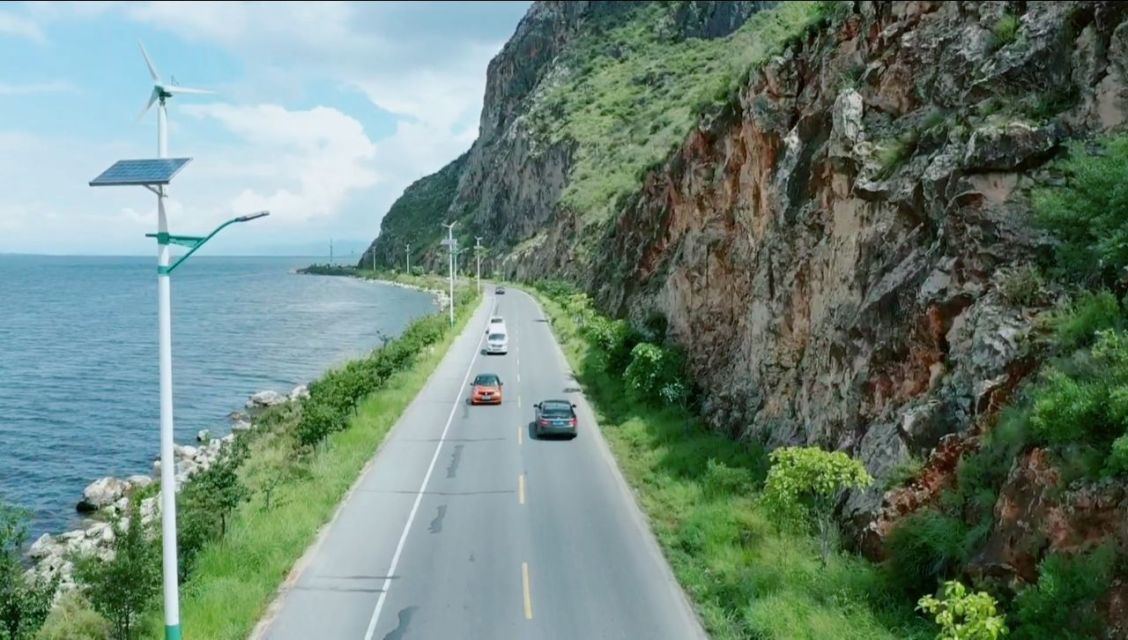
On the way towards the gorge country, a quieter landmark is easy to overlook. At the small town of Shigu, the Jinsha River makes a broad, sweeping turn that is known as the First Bend of the Yangtze, a place where the geography of the whole river system changes direction. It is less dramatic than the nearby gorge but in some ways more interesting, and it makes a relaxed stop on a drive from Lijiang with a Dali Lijiang car rental for foreigners. I often pair it with Tiger Leaping Gorge or suggest it to visitors who want a calm market town rather than a busy viewpoint. Here is what makes the bend significant and how to plan the visit.
Why the bend matters geographically
The great rivers that run off the high plateau generally flow south, but at this point the Jinsha sweeps around in a wide arc and turns north-east, setting the course that eventually becomes the Yangtze heading across China to the sea. That single change of direction has given the First Bend a place in the geographical story of the country, and the wide valley and the slow curve of the water are best seen from the raised viewpoint above the town. The scale is not the tight drama of a gorge but the broad sweep of a river deciding its path. A Dali Lijiang car rental for foreigners lets you reach the viewpoint and take the time to understand the shape of the land.
Shigu town and the stone drum
The town takes its name from a stone drum, an inscribed historical marker in the form of a drum-shaped tablet that records events from an earlier period, and it sits among the old streets and small markets. Shigu is an ordinary working town rather than a polished tourist centre, and that gives it a genuine charm: a riverside market, narrow lanes and the slow movement of local life. A short walk through the town and a look at the stone drum add a historical layer to the natural sight. The hidden towns guide covers more of these unspoiled settlements. The place rewards a gentle, curious approach rather than a rushed photo.
The drive from Lijiang and the viewpoint
Shigu lies to the west of Lijiang on the road that continues towards Tiger Leaping Gorge and the Shangri-La region, a drive of roughly an hour and a half through the valley. The roads are paved and comfortable for an ordinary car, and the viewpoint above the town is reached by a short climb, with parking available near the approach. The parking guide explains the local arrangement, and the navigation guide keeps the route clear. Because the bend and the gorge sit in the same direction, the two can be combined, though doing both properly means an early start and a full day.
Pairing the bend with Tiger Leaping Gorge
Many visitors build a single day around the two landmarks, stopping first at the high viewpoint over the broad bend and then driving on to the gorge for the force of the narrows. They show the same river in two moods: the wide, calm turn and the squeezed, thundering channel. The gorge day guide covers the second half in detail, and the loop route guide places both in the longer journey. If you prefer a relaxed pace, give each its own day rather than compressing them, since the driving and the stops add up.
Riverside life and the market
The river at Shigu is broad and calmer than in the gorge, and the town has grown around the crossing and the fertile riverside land. The market draws villagers from the surrounding valley, and the riverside paths make for a pleasant stroll with views over the slow water and the fields. The payment guide helps if you buy something in the market, and the small eateries serve simple local food. Watching the ordinary trade and farming by the river is a reminder that the bend is a lived-in landscape, not just a viewpoint on a map.
Weather, light and practicalities
The open valley is exposed to the weather, and the broad view is clearest in the drier months and in the softer morning light, while the later afternoon can bring haze or cloud over the surrounding hills. The rainy season guide covers the wetter months, when the river runs fuller and the green is richer, though a little rain rarely spoils the wide panorama. Take water, sun protection and a layer for the breeze at the viewpoint, and wear comfortable shoes for the short climb and the market lanes.
Reading the river from the viewpoint
The high viewpoint is more than a photo stop, and taking a moment to read the shape of the land explains why the bend is so significant. From above you can see the wide valley, the line of the water coming down from the hills and the broad arc where it turns, setting the course the river takes across the country. With a Dali Lijiang car rental for foreigners you can reach the point early and take the time to understand the geography before the viewing platform fills. The river moves slowly here, quite unlike the thundering gorge nearby, and the fields and villages along its banks show how people have settled around the fertile bend. Looking carefully, you can trace the old crossing and the routes that follow the water into the hills. A little patience, rather than a single quick photograph, turns the viewpoint into a lesson in how a river decides its path, and the soft morning light makes the sweep of the valley easy to read. The stone drum and the town below then give the human story to set beside the landscape.
The short version
The First Bend of the Yangtze at Shigu is a broad, geographically significant turn of the Jinsha River about an hour and a half from Lijiang, easy to visit with a Dali Lijiang car rental for foreigners. See the high viewpoint, look at the historic stone drum and walk the quiet market town, and consider pairing it with Tiger Leaping Gorge for the river's two contrasting moods. Send me your dates and I will suggest whether to combine them or keep the bend as a calm trip on its own, with the timing and parking arranged.
Zara
Yunnan Province International Travel Agency (Group) Co., Ltd.
WeChat/WhatsApp: +86 13759155671
WeChat handle: qxzj7557
Email: [email protected]