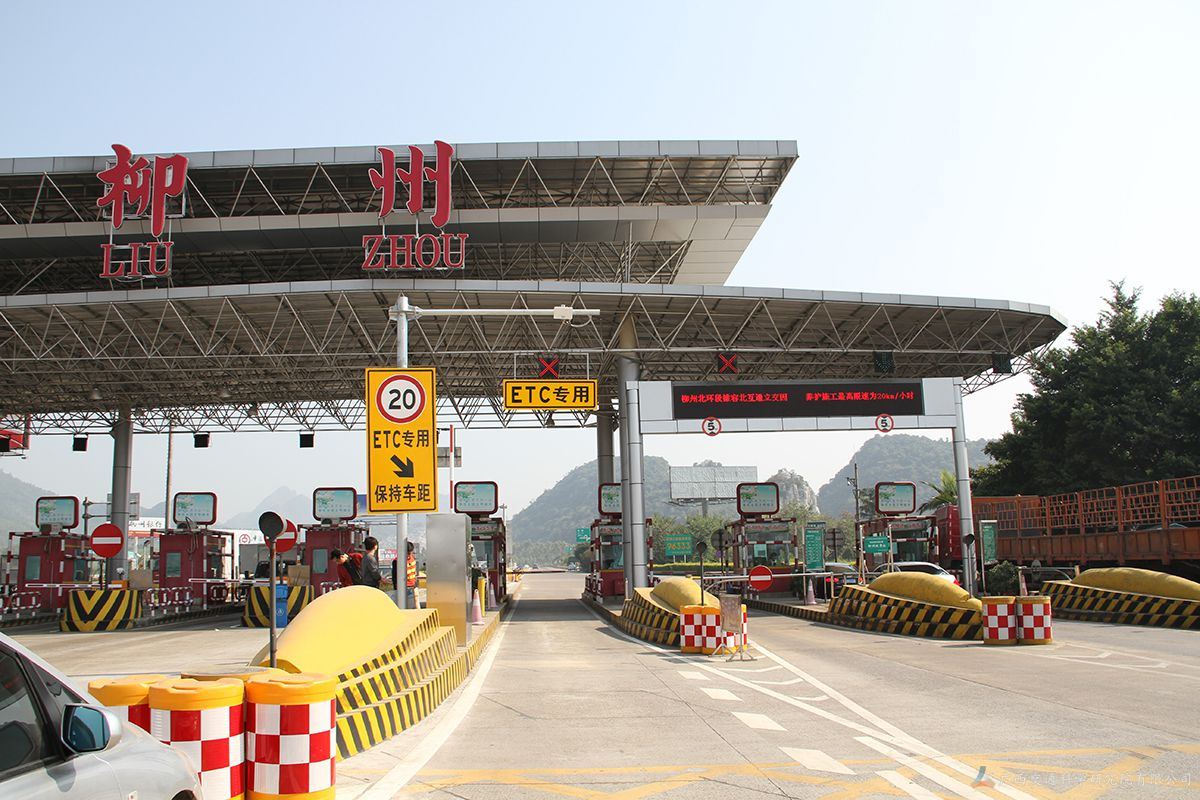
After they have collected a Kunming rental car on arrival, the next practical question most people have is simply where they are allowed to leave it. The city is not a difficult place to park by Chinese standards, but the markings and the phone-based payment can be unfamiliar on a first visit, and a few restrictions are easy to miss if you are used to Western road signs. I have walked enough newcomers through this to know that a short explanation saves a lot of circling and worry. Here is how parking actually works in the city and at the scenic spots, and how the charges are settled.
On-street and off-street parking
There are two broad kinds. On-street spaces are marked with white lines along the edge of the road, often numbered and overseen by an attendant or a sensor, and they are meant for shorter stays. Off-street parking means the dedicated car parks under buildings, at shopping centres and hotels, and at the larger scenic areas; these are the sensible choice for longer stops and for peace of mind. My habit is to use a proper car park whenever I am staying more than an hour or two, and to treat on-street bays as a convenience for quick errands rather than somewhere to leave the car all day. A marked, numbered bay is legal; an unmarked stretch of kerb usually is not.
How the charges and payment work
Pricing is generally time-based, with the rate shown on a nearby sign or board, and it often varies by area and time of day, busier central districts costing a little more. Many on-street bays are now paid through a phone system rather than a meter: you scan a code on the bay or use a parking app, enter the space number, and pay for the time you need. Foreign cards have been far easier to bind to Chinese phone wallets since 2024, and the mobile payment guide walks through linking an overseas Visa or Mastercard. In attended car parks you usually take a ticket on entry and pay at the booth or by code before collecting the car. If you are unsure, the attendant will show you the correct way rather than guessing.
Scenic-area parking
At the major sights, the Western Hills, the lakeside areas around Dianchi and the Stone Forest among them, there are large, managed car parks with clear signage and a fixed charge for the visit. These are built for coach and visitor traffic, so they are the straightforward option: follow the signs into the designated area, park within a marked bay, and keep any ticket. Do not be tempted by people waving you into informal fields or verges just outside, which offer no real security and can block access. On weekends and public holidays the popular car parks fill, so arriving earlier in the morning makes parking easier and the sights quieter.
No-stopping zones and restrictions
The markings carry real meaning. A solid yellow line painted along the kerb means no stopping at all, even briefly, while a broken yellow line generally restricts stopping at certain times. Look out for signs above the lane, bus-only lanes and time-limited restrictions in the centre, and avoid blocking junctions, crossings, fire hydrants and entrances. Sidewalk parking is not permitted unless a bay is clearly marked there. Towing and fines are real, and a rental car is traced straight back to the company, so any penalty is passed on according to the contract. Reading the lines carefully is far cheaper than treating a kerb as fair game.
Using apps and signs to find spaces
A navigation or parking app will often show nearby car parks and whether they have spaces, which is handy in the busier commercial districts, and the navigation apps guide covers the ones that work well in China. Even so, the roadside signs are reliable, and the standard blue "P" symbol points to public parking. I would not rely solely on an app in the narrow older streets, where the data can lag; combining the app with a look at the actual signs works better. If a car park shows full, do not queue and block the road, move on to the next one rather than waiting.
Practical habits in the city
A few simple habits keep things smooth. Confirm your hotel has parking before you book, because that removes the evening question entirely. When you park, take a photo of the bay number and any landmark so you can find the car in a large underground car park. Never leave valuables or documents on view; lock them away or carry them. In the rush hour, give yourself extra time and avoid the central narrow streets in favour of the ring roads. The toll roads and parking are separate charges, and the toll payment notes explain the motorway side, while the broader refuel and parking guide covers the wider picture.
Before you arrive
There is nothing complicated about Kunming parking, but sorting the basics in advance helps: have a phone wallet set up so you can scan codes, keep our number handy in case a sign or restriction is unclear, and remember the licence and permit points in the rental requirements guide. Park in marked bays or proper car parks, respect the yellow lines, and pay for your time, and you will find the city far easier by car than you expected. The car then becomes a genuine convenience for reaching the sights rather than a source of stress every time you stop.
Zara
Yunnan Province International Travel Agency (Group) Co., Ltd.
WeChat/WhatsApp: +86 13759155671
WeChat handle: qxzj7557
Email: [email protected]