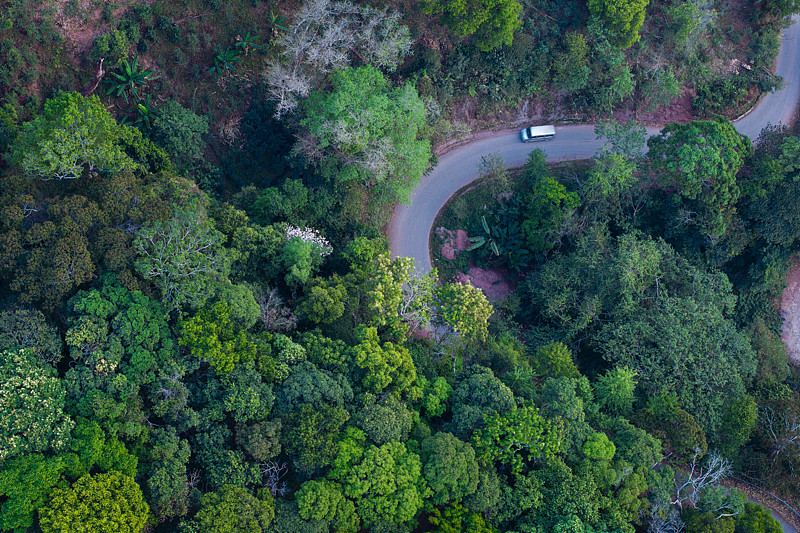
There is a difference between collecting a car late at night and actually driving it well in the dark, and the second skill deserves more attention than it usually gets. A Kunming airport car rental for foreigners can put you onto unfamiliar roads at the very hour when visibility is limited and the fatigue from a long flight is at its heaviest, so a few sensible habits make the difference between a calm journey and a tense one. I have spoken to travellers who treated night driving as simply the same drive in darker conditions, and learned the hard way that the rules change after sunset. This guide covers how to adjust your speed and lights, manage tiredness, and handle the specific problems of mountain roads and other traffic, so the night legs feel controlled rather than risky.
Why night driving is a different task
The first thing to accept after a Kunming airport car rental for foreigners is that darkness removes information you rely on without noticing. Depth perception, colour contrast and your peripheral vision all weaken, and the reach of the headlights defines the only road you can actually react to, rather than the full scene you see in daylight. On top of that, a long flight leaves even experienced drivers slower to judge and quicker to tire, so the honest position is that night driving deserves extra margin rather than confidence alone. The late-night pickup guide covers arranging the handover, while this guide is about what happens once you are moving. Treating the two as separate skills is the starting point.
Lights, and using them correctly
Get familiar with the light controls before you leave the pickup point, because fumbling for the switch on a dark road is a needless distraction. Use dipped headlights on lit roads and whenever other traffic is near, and switch to full beam only on empty stretches where you will not dazzle anyone, dipping promptly as a vehicle approaches. Keep the lights, windscreen and mirrors clean, since a smeared screen scatters glare and makes oncoming lights harder to cope with. It is also worth knowing how the fog lights work, though they are for genuinely poor visibility rather than ordinary night use. The low-visibility guide explains that side. A few minutes learning the controls at the start pays off every night of the trip.
Speed and the distance you can stop in
The golden rule of night driving is to keep your speed within the distance you can see and stop in, because anything beyond the headlight beam is effectively hidden. This means easing off on unlit roads and especially in the mountains, where a bend or an obstacle can appear at the edge of the light with little warning. Increase the gap to the car in front, since the usual daylight following distance leaves less time to react when you are relying on lights and tiredness slows responses. Resist the urge to make up time after a delayed flight, because arriving a little later is always preferable to overdriving the headlights. The traffic rules guide sets the wider context, and the night principle is simply to build in more margin.
Managing fatigue after a flight
Tiredness is the quiet danger of night driving, and it is particularly strong just after a long journey in the air. The honest question is whether you are genuinely alert enough to drive, and if the answer is uncertain, the sensible choice is a nearby airport hotel and a fresh start in the morning rather than forcing it. If you do drive, share the task where possible, keep the cabin cool rather than warm and stuffy, and take breaks at service areas before drowsiness builds. If you catch yourself yawning, drifting from the lane or struggling to remember the last few kilometres, pull over safely and stop, perhaps with a short nap, rather than pressing on. No schedule is worth pushing through genuine sleepiness.
Mountain roads and other traffic after dark
Yunnan's mountain roads are demanding enough in daylight, and at night their bends, drops and occasional slow vehicles become harder to read. Stay well back from lorries and buses, brake early and gently before bends, and never overtake on a dark stretch unless you can see the road ahead is completely clear. Watch for pedestrians, cycles and animals near villages, which can be difficult to spot until they are close, and take extra care where the road has no hard shoulder. The navigation helps anticipate bends, but it cannot replace slow, careful speed on an unfamiliar descent. Planning the route so the serious mountain sections are covered in daylight is the calmer approach whenever the itinerary allows.
Navigation and keeping calm
Voice navigation is especially useful at night, because it lets you keep the eyes on the road rather than checking a screen, and a saved destination removes the stress of deciding the way in the dark. The navigation guide sets up the apps. Dim the dashboard and phone so a bright screen does not affect your night vision, and avoid staring at the headlights of oncoming traffic; instead look slightly to the side as they pass. If you feel tense, slow down and let following vehicles pass where it is safe, since driving at your own calm pace is more important than being hurried along by others. A relaxed, unhurried driver is a safer one after dark.
The short version
After a Kunming airport car rental for foreigners, night driving means learning the light controls, keeping speed within the stopping distance the headlights allow, leaving a bigger gap, and taking fatigue seriously enough to stop or choose a hotel if you are not alert. Treat mountain roads with extra caution and prefer covering them in daylight. Tell me your arrival time and route, and I will help arrange the handover and suggest where to stay so the first night is safe rather than rushed.
Zara
Yunnan Province International Travel Agency (Group) Co., Ltd.
WeChat/WhatsApp: +86 13759155671
WeChat handle: qxzj7557
Email: [email protected]