I’ve lost count of how many times I’ve pulled into the arrival lane at Kunming Changshui on a crisp, sun-dappled morning, grabbed my backpack, and walked straight to the rental desk instead of queuing for the overpriced airport bus. For overseas visitors, Kunming airport car rental for foreigners cuts through half the hassle of Yunnan’s sprawling, mountain-backed routes — you get to set your own pace, stop for wildflowers at 3,000 metres, and detour to that tiny noodle shop you spotted on the map without haggling with a driver.
But here’s the thing: the speed cameras on Yunnan’s main tourist roads are not like the ones you’d zip past on a quiet UK motorway. I learned that the hard way on my first run out to Dali, when I was so busy craning my neck at the snow-capped Cangshan range that I missed a hidden camera tucked behind a roadside billboard.
Why Yunnan’s plateau roads catch out first-time self-drivers
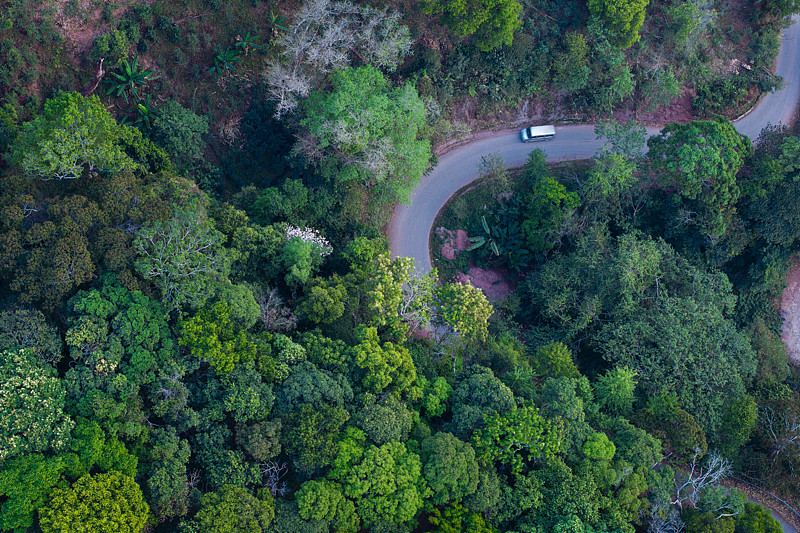
You fly in, bleary from a 10-hour flight, pick up a clean petrol car at the airport, and immediately hit roads that wind, climb, drop, and twist around sheer gorges. The views are stunning — that’s the whole point of Yunnan self-drive rental for foreigners — but the speed limits shift without warning, and cameras are placed where you least expect them.
I was driving a VW Lavida 1.5L on my first trip, the kind of zippy little petrol car that feels perfect for narrow mountain passes. I’d just pulled out of a small town, the tarmac smooth under the tyres, the air sharp enough to make my knuckles tingle on the steering wheel. I was doing 68 km/h in a 60 zone, fumbling for my water bottle, when a flash went off from behind a gnarled pine tree. I swear I felt my stomach drop into my boots.
That’s the trick here. Cameras aren’t always on tall poles with warning signs. They’re hidden in foliage, mounted on the back of roadside utility boxes, even tucked into the gantries that mark village entrances. The fine check comes through when you return the car, so you won’t get an immediate ticket — which means it’s easy to forget to watch for them until it’s too late.
Speed camera hotspots on the Kunming–Dali–Lijiang route
Over three trips, I’ve mapped the spots that consistently catch out overseas drivers, the same stretches where Dali Lijiang car rental for foreigners guests tend to pick up fines. These are not secret tricks — they’re just the bits of road you need to slow down for, no matter how open the tarmac looks.
The stretch between Chuxiong and the Dali basin
This is the long, straight, almost boring section that lulls you into complacency. The speed limit drops from 100 km/h to 80 km/h right as you pass the last service station, and there’s a camera mounted low on a crash barrier just after the sign. I saw a group of cyclists wave at me here once, and I glanced over for two seconds — that’s all it took to almost trigger a flash. Now I lift off the accelerator the second I see the service station exit sign, no matter how clear the road ahead looks.
Village entrances on the climb to Shangri-La
Once you leave Lijiang and start climbing towards the plateau, the road cuts through tiny Naxi and Tibetan villages. The speed limit drops to 40 km/h as soon as you hit the first cluster of houses, and cameras are mounted on the eaves of village shopfronts. I was following a local taxi up this road last year, and he slammed on his brakes right as we passed a teahouse — I nearly rear-ended him, until I saw the camera tucked above the shop’s wooden sign. The air was thin enough that my head felt fuzzy, and that split-second of inattention could have ended in both a crash and a fine.
Tunnel approaches between Kunming and Chuxiong
Yunnan’s mountain tunnels are long, dark, and marked with strict 80 km/h limits. Cameras sit right at the tunnel mouth, often just after the warning sign, so if you’re still doing 90 when you hit the shadow of the tunnel, you’ll get flashed. I learned this when I drove a Tank 300 2.0T up to Shangri-La — that car has more than enough power to make you carry speed into a tunnel before you even realise it. Now I set my speed to 75 km/h a full kilometre before every tunnel entrance, just to give myself a buffer.
Quick practical notes for your rental
I don’t like burying the boring bits, because they’re the bits that’ll trip you up if you skip them.
- A China temporary driving licence can be arranged for 1,500 RMB, no in-person visit required — sort this before you fly, so you can pick up the car straight off the plane.
- The VW Lavida 1.5L is 260 RMB a day, with a 3,000 RMB rental deposit and unlimited mileage — I pick this one for city runs and the Kunming-Dali stretch, it’s light on fuel and easy to park.
- The Tank 300 2.0T is 400 RMB a day, with a 5,000 RMB deposit and a 300 km per day limit — great for the rougher Shangri-La detours, but keep an eye on your daily mileage.
- If you pick up in Kunming and drop off in Lijiang, there’s a 1,500 RMB one-way return fee. I did this once, and it saved me a full day of driving back — worth it if you’re short on time.
- Your rental deposit is refunded 5-7 working days after you return the car, once the traffic fine check is done. Insurance includes compulsory and commercial cover, but minor scratches under 1,500 RMB come out of your pocket. Anything above that goes through insurance, and you cover 30% of the cost. Scratches that don’t go through the primer are fixed for free, no hidden downtime or depreciation charges.
Last year, I scraped the Lavida’s bumper on a stone wall outside a Lijiang old town car park. The scratch was shallow, no primer showing, and I didn’t pay a penny for it — the rental team sorted it when I dropped the car off, no fuss. If you break down from a mechanical fault, the rental team covers it. If you cause the breakdown (say, you drive over a sharp rock and blow a tyre), towing is on you. And if you cancel for personal reasons, the 600 RMB booking deposit is non-refundable — so lock in your dates as early as you can.
Final tip before you set off
Before you pull out of the airport car park, set your navigation to alert you to speed cameras. And for the first 50 km out of Kunming, keep your speed 10 km/h below the posted limit. It feels slow at first, but it’ll save you from the kind of fine that puts a dampener on your Dali sunset plans.