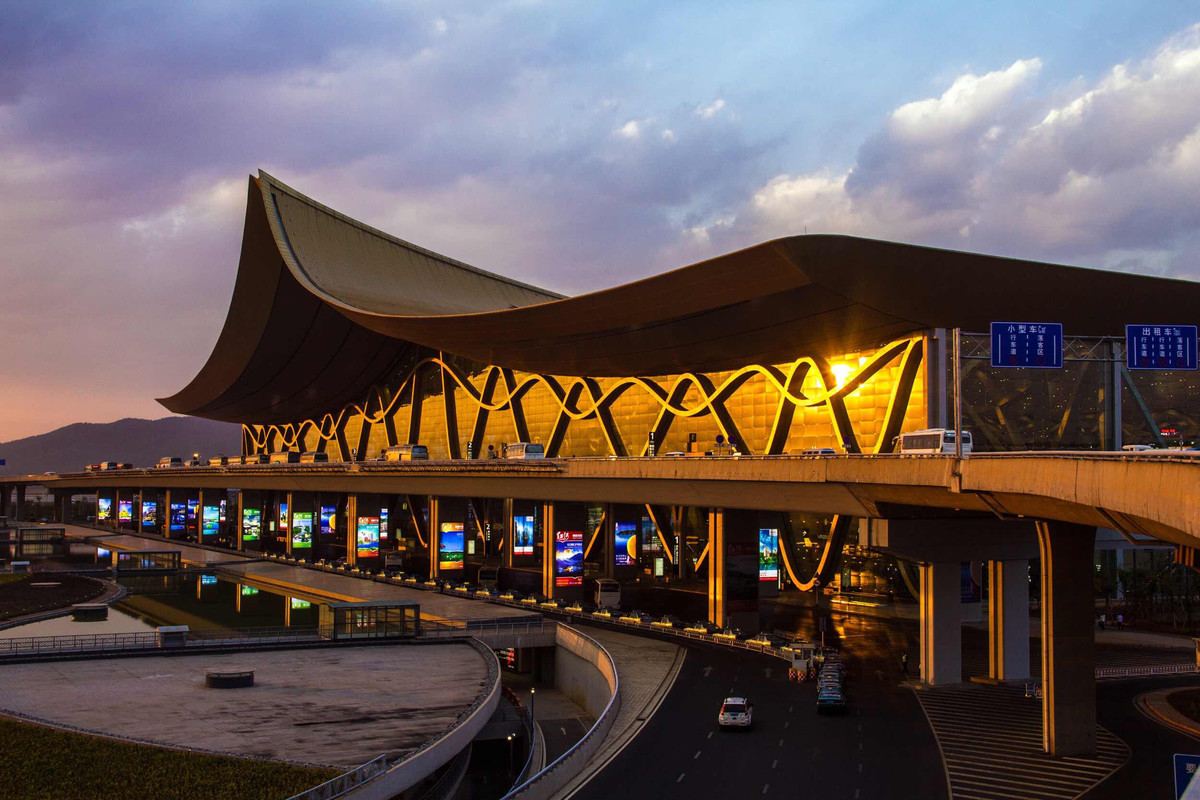
I’ve learned, slowly and expensively, that a self-drive trip lives or dies before the sun comes up. Not at some dramatic pass. At the rental desk.
Why an early Kunming airport pickup matters
If your plan is Kunming airport car rental for foreigners followed by a long run west to Dali, I’d take the earliest sensible pickup rather than lingering in town. Kunming to Dali is a proper day on the road, and the motorway does not care that your flight arrived late, that your knees are stiff, or that you thought you’d adjust to the altitude over one hotel breakfast.
Arrange the pickup in advance with Yunnan Province International Travel Agency (Group) Co., Ltd; ask for Zara on WeChat or WhatsApp at +86 13759155671, WeChat ID qxzj7557, or email [email protected]. Pickup and return can be at the airport or city office, which matters if you are arriving red-eyed and do not want a second transfer.
This is local rental inside China. You fly in, collect a car here, and drive it here. Nobody should be telling you to bring a vehicle from abroad for this kind of Yunnan trip.
The paperwork question foreigners actually ask
Forget any clever idea about an International Driving Permit doing the job. What can be arranged here is a China temporary driving licence, and the agency can sort it for RMB 1,500 without you attending in person. I like that. I like standing in queues even less than I like hotel instant coffee.
Sort it early. “We’ll deal with it at the airport” is the sentence that turns a calm departure into two people staring at a phone in a car park while the traffic builds.
Choose the car for the driving, not the photograph
There are two sensible starting points for this route.
- VW Lavida 1.5L or Jetta 1.4T petrol saloon: RMB 260 a day, deposit RMB 3,000, unlimited mileage. For Kunming–Dali–Lijiang tarmac, I’d usually take one of these and spend the saved money on dinner.
- Tank 300 2.0T: RMB 400 a day, deposit RMB 5,000, with a 300 km per day limit. More presence, more character, and useful if you want that tougher feel. It is not free motoring, though; watch the daily distance.
No electric vehicles are offered, and on this trip I don’t miss them. Petrol is dull. Dull is good when you are trying to leave before dawn and reach Dali with your sense of humour intact.
If your route ends in Lijiang rather than looping back, there is a one-way return fee of RMB 1,500. That is the kind of figure to put into the plan at the kitchen table, not discover after you have already promised yourself a relaxed last morning.
Money, deposit and the scratch conversation
The rental deposit is RMB 3,000 for the saloons or RMB 5,000 for the Tank 300. It is refunded 5–7 working days after return, after the traffic-fine check. That is normal, but do not budget as though the money will land while you are still eating your final bowl of noodles.
Insurance includes compulsory and commercial cover. The practical bits are worth understanding before you drive away:
- Minor scratches under RMB 1,500 are paid by the client.
- Damage above RMB 1,500 goes through insurance, with the client bearing 30%.
- Scratches that do not damage the primer are free.
- No downtime or depreciation charges apply for paintwork or replaced parts.
- For major damage, downtime is waived within 5 days.
- Mechanical breakdown is covered by the agency; towing after client-caused trouble is at the client’s expense.
The booking deposit is RMB 600, and it is non-refundable if you cancel for personal reasons. Harsh? Maybe. But it is a booking, not a mood. Do not pay it unless your flights and dates are real.
Do the checklist while your brain still works
At an early airport pickup, the temptation is to sign, throw the bags in the boot, and escape the lights. Don’t.
Walk around the car. Use the phone torch. Look at wheel rims, bumpers, door edges, and the places where luggage has been dragged across the paint. Point out scratches that do not go through to the primer as well as deeper marks; better to look fussy for five minutes than vague for five weeks. Check the fuel situation, confirm the return location, and make sure navigation is set before you join airport traffic.
I once collected a right-hand-drive car on a damp British morning after a night flight, told myself I was “too experienced” for a proper walk-around, and spent the first fuel stop pretending a small bumper mark had been mine all along. Ridiculous. Ten minutes of torchlight would have saved the pantomime. In China the cars are left-hand-drive, which is simple enough, but the principle is the same: fatigue makes confident people careless.
The early run from Kunming towards Dali
I prefer leaving while Kunming is still dark and the airport roads are quiet. You get the car while your internal clock is confused but functional, traffic is lighter, and the landscape arrives gradually rather than arriving all at once in midday glare.
Set navigation for Dali before leaving the airport car park, not after the first junction. Chinese motorways are well surfaced and signposted, but lane choices arrive quickly, and a tired passenger jabbing at a phone is not navigation; it is theatre.
Parking is another small thing that becomes a large thing when you are tired. Use proper parking areas, especially when you stop. A quiet verge that looks harmless at 07:00 can become a lorry-strewn pinch point by 09:00.
Where to take the first break
My first break would be a motorway service area once the road has begun climbing west and I’ve settled into the car. Not because I have a sentimental favourite to recommend — I’m not inventing one — but because that is the sensible call after an early start.
Stop after the first solid driving stint. Get out. Stretch your calves. Drink water. Refuel if the gauge suggests it. Check the mirrors, tyres and headlights. Eat something plain. Then decide whether you need another short stop before Dali.
On a cool Yunnan morning, the tarmac can look almost blue in the shadows and then flare white when the sun clears the hills. That light is lovely, but it is also a reason to rest your eyes. I used to treat first stops as weakness. Now I treat them as maintenance, like checking oil. The plateau does not reward heroics; it just exposes them.
Dali, then Lijiang or Shangri-La
Dali is a natural first overnight, with Erhai Lake close by and the old-town streets easier to enjoy once the car is parked and the bags are out. From there, people often continue to Lijiang, and some push on towards Shangri-La. That is the classic Yunnan self-drive rental for foreigners territory: good roads, changing altitude, long views, and weather that can turn sharper as you gain height.
If you are researching Dali Lijiang car rental for foreigners, think in terms of the whole loop before you book. A saloon with unlimited mileage may work out neatly if you return to Kunming. A Tank 300 may suit the way you want to travel, but the 300 km daily limit changes how you pace the days. A one-way Lijiang return costs RMB 1,500, so compare the loop against the open-jaw plan honestly.
Seasonality matters, too. I would rather start early and drive steadily in clear cold air than leave late and chase sunset over unfamiliar roads. Mountain light fades quickly, and roadside villages are not the place to discover that your passenger’s idea of navigation is squinting at a map screenshot.
My blunt version of the plan
Book before you fly. Have the China temporary driving licence arranged. Choose the Lavida or Jetta unless you genuinely want the Tank 300. Confirm airport pickup. Photograph the car. Leave early. Stop at a proper service area when the first stretch is done, even if you feel fine.
Then drive into Dali unhurried, parked properly, and still speaking to your travelling companion. That last bit is the real measure of a good road trip.
Zara
Yunnan Province International Travel Agency (Group) Co., Ltd
WeChat/WhatsApp: +86 13759155671
WeChat ID: qxzj7557
Email: [email protected]