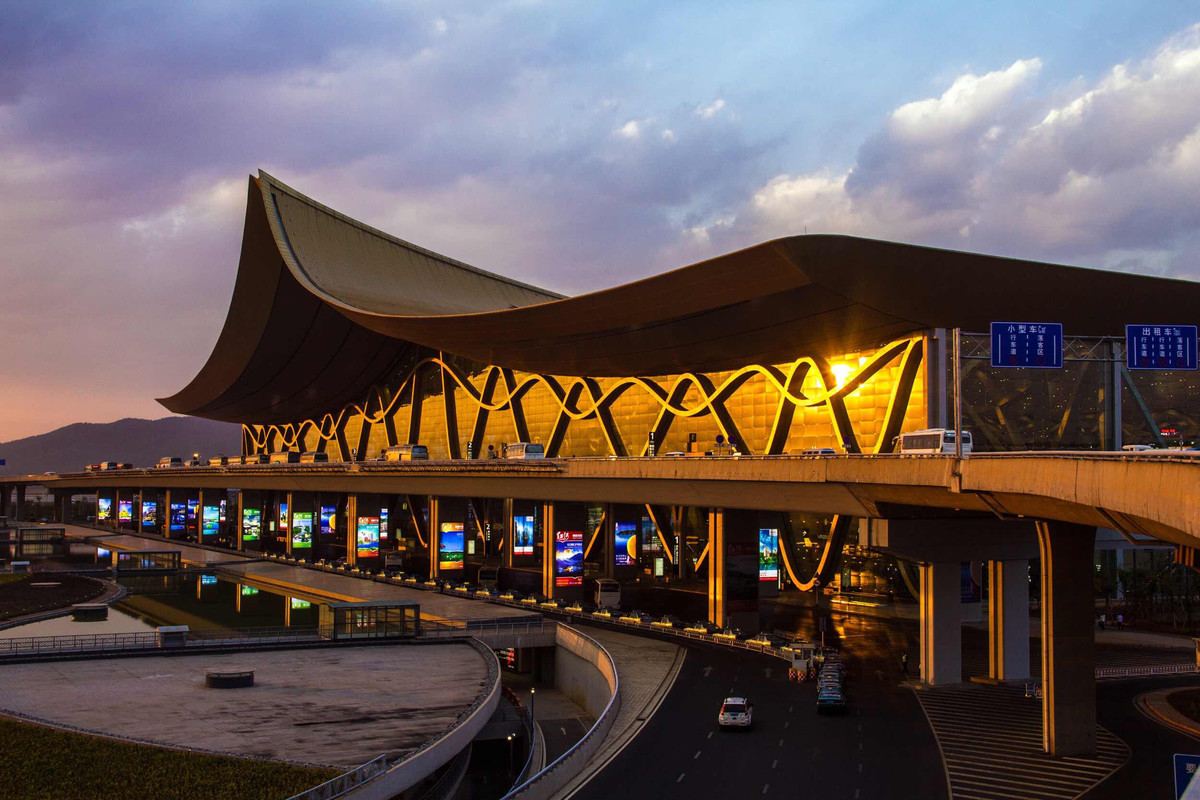
That first 10 minutes at Kunming airport, before you even leave the car park
I still remember the first time I picked up a rental car at Kunming Changshui in late March, when the spring sun was slanting low across the tarmac and the air smelled of diesel and the faint, sweet pine that drifts down from the hills surrounding the airport. I’d flown in from Chengdu, bleary-eyed after a 2-hour hop, and I was so excited to get on the road towards Dali that I almost skipped the whole pre-drive setup routine. Big mistake. Five minutes onto the G56 expressway, I realised I couldn’t reach the steering wheel comfortably, my left mirror was angled so high I could only see the underside of the wing, and every time I checked over my shoulder to change lane, my neck ached from craning to see past the headrest.
If you’re arranging Kunming airport car rental for foreigners to explore Yunnan’s mountain roads, that 10 minutes you spend adjusting your seat and mirrors before pulling out is not wasted time. It’s the difference between enjoying the view of the Erhai Lake pull-offs and white-knuckling every bend on the way up to the Jade Dragon Snow Mountain passes.
Setting your seat before you think about the engine
Most of the cars available for Yunnan self-drive rental for foreigners here are left-hand drive, which can feel odd if you’re used to UK roads. I’m 5’11”, and the last VW Lavida I drove had a manual seat adjustment lever under the front cushion — I pulled it up, slid the seat forward until I could press the clutch all the way down without my leg straightening, then tilted the backrest just enough that my wrists rested lightly on the top of the steering wheel. Too many people sit too far back, arms outstretched like they’re steering a bus, and that makes tight mountain bends far more effort than they need to be.
Don’t forget the headrest, either. I once took a wrong turn on a steep stretch between Lijiang and Shangri-La, braked hard to avoid a wandering yak, and the top of my headrest was so low it did nothing to support my neck. The sweet spot is to line the middle of the headrest up with the middle of the back of your skull, not the base of your neck. It takes 10 seconds, and you’ll thank yourself on those long, winding climbs.
Mirrors: stop guessing, use the door handle trick
When I first started driving in Yunnan, I’d adjust my mirrors by craning my neck out the window, guessing how much of the lane I could see. It wasn’t until a local driver I met at a Dali petrol station told me the simple door handle trick that I stopped messing this up.
For the side mirrors: sit in your normal driving position, angle the driver’s side mirror until you can just see the door handle on your own car in the bottom corner. Do the same for the passenger side — you want just a sliver of the car’s edge visible, not half the side panel. That means the mirror is angled far enough out to catch traffic in the lane next to you, instead of only showing you the road right behind your bumper. I see so many tourists driving around with mirrors pointed straight back, like they’re on a motorway cruise, and then panicking when they can’t see the truck overtaking them on a narrow mountain pass.
The rear-view mirror inside the car is even simpler: angle it so the whole rear window is framed, and you can see the back of the headrests on the rear seats. Don’t tilt it down to check your makeup, or up to look at the sky — it’s there to show you what’s behind you, full stop.
What you need to know before you drive off, the boring but important bits
I’d be remiss if I didn’t cover the practical stuff, because I’ve seen enough foreigners get caught out by the small print on these rentals. If you’re planning Dali Lijiang car rental for foreigners as a one-way trip — picking up at Kunming airport, dropping off in Lijiang — there’s a 1,500 RMB one-way return fee to factor into your budget. It’s not a hidden charge, but it’s worth knowing before you book, so you don’t get a shock when you finalise your reservation.
The available petrol cars are straightforward: a VW Lavida 1.5L or Jetta 1.4T will set you back 260 RMB a day, with a 3,000 RMB rental deposit and unlimited mileage. If you want something sturdier for the rougher roads up towards Shangri-La, the Tank 300 2.0T is 400 RMB a day, with a 5,000 RMB deposit and a 300 km per day limit. No electric cars are offered, which is a relief — I’ve seen EVs struggling to find charging points in small towns along the Yunnan routes, and that’s the last thing you want on a mountain drive.
You don’t need to sort out your paperwork in person, either. A China temporary driving licence can be arranged for 1,500 RMB without you having to attend an office. The rental deposit gets refunded 5-7 working days after you drop the car off, once they’ve run a check for any outstanding traffic fines.
Insurance and damage: don’t overthink the small scratches
I’ve had two tiny scratches on rental cars in Yunnan over the years, and both times I panicked for no reason. The included cover has both compulsory and commercial insurance, and minor scratches under 1,500 RMB are paid by you directly. Anything above that goes through insurance, and you only cover 30% of the cost. If the scratch doesn’t even damage the primer, there’s no charge at all. There are no downtime or depreciation fees for paintwork or replaced parts, and downtime charges are waived for up to 5 days if you have major damage.
One thing I learned the hard way: if the car breaks down because of a mechanical fault, the rental provider covers it. If you break down because you drove off a kerb and damaged the undercarriage, or you ran out of fuel on a remote mountain road, you’re on the hook for towing costs. I once saw a traveller try to claim for a tow after he’d driven straight over a large rock on an unsurfaced side road near Tiger Leaping Gorge — that’s exactly the kind of situation where you pay out of pocket.
And if you need to cancel for personal reasons, the 600 RMB booking deposit is non-refundable. It’s a fair rule, but it’s worth locking in your travel dates before you put that deposit down.
That first mountain drive, after you’ve got your setup right
Last April, I picked up a Lavida at Kunming airport, spent 10 minutes adjusting my seat and mirrors, and set off towards Dali. The sun was starting to dip as I climbed the first pass after Chuxiong, and for the first time in all my drives in Yunnan, I didn’t feel tense. My seat was positioned so I could steer the bends easily, my mirrors showed me every passing truck before I needed to check over my shoulder, and I didn’t have to fumble with the seat adjuster halfway up a steep incline.
You don’t need to be an off-road expert to enjoy these Yunnan drives. You just need to spend that small amount of time at the start, getting the car to fit you, instead of forcing yourself to fit the car. It makes every mile between Kunming, Dali and Lijiang feel far more relaxed, and that’s the whole point of a self-drive trip out here.