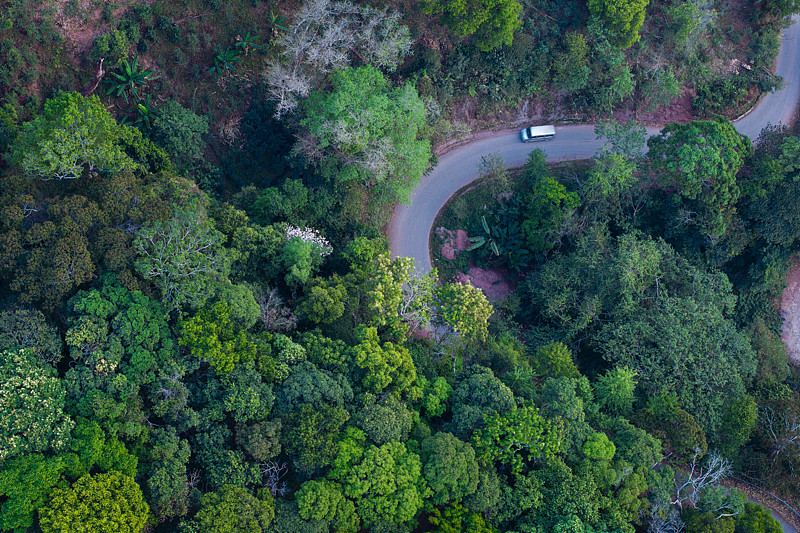
Last October, I pulled over at the western edge of Erhai Lake, the late afternoon sun glinting off the deep blue water so bright I had to squint, and realised I’d drunk an entire iced lemon tea over the 40-minute drive from Dali old town. I’d been so caught up in staring at the Cangshan Mountains’ snow-dusted peaks that I hadn’t thought once about where the nearest public toilet was. If you’re planning to do the Erhai loop as part of your Yunnan self-drive rental for foreigners trip, that small oversight is exactly the kind of thing that can turn a gentle scenic drive into a very uncomfortable scramble.
I’d landed at Kunming airport two days prior, picking up my rental car right after clearing immigration, and had driven 4.5 hours to Dali along the G56 expressway. The car was a VW Lavida 1.5L, left-hand drive, petrol, the kind of unflashy, reliable sedan that makes long plateau drives feel low-stakes. I’d opted for the Lavida over the larger Tank 300 because the loop around Erhai is entirely paved, and the Lavida comes with unlimited mileage for RMB 260 a day, no per-kilometre cap to stress about. If you’re picking up wheels straight after your flight, Kunming airport car rental for foreigners is the most time-efficient start for a Yunnan road trip, cutting out the hassle of transferring to a city office before you even get moving.
Where you can reliably stop for a washroom on the Erhai loop
Let’s get the basics straight first. Erhai’s full loop is roughly 130km of well-paved road, winding past fishing villages, wetland reserves, lakeside cafés and small tourist parks. The western shore road is narrower, carved between the lake and the Cangshan foothills, while the eastern shore is wider, with more open farmland and long, unobstructed views across the water. Washroom access is not scarce, but it is patchy if you stick only to the random pull-offs between villages.
From my three loops around the lake (yes, I went twice – once in October, once on a return visit in April), the most reliable spots are:
- Public tourist car parks at every major village entrance: Xizhou, Zhoucheng, Wase, Haidong. These are marked on navigation apps, have dedicated parking bays, and free public toilets a 30-second walk from the car park edge.
- Lakeside wetland reserves: the two big ones on the western shore, and the bird reserve on the eastern edge, both have maintained toilets right at the entry gate.
- Any sit-down restaurant or café visible from the road: I’ve never been turned away when I popped in just to use the toilet, even when I didn’t buy anything. A small packet of local sunflower seeds, RMB 5 from the village shop, usually earns you a smile from the staff.
The stretch I’d recommend avoiding for unplanned stops is the 18km section of the eastern shore between Wase and Haidong. There are almost no marked pull-offs, no shops, and the road runs right alongside farmland with no pedestrian access for long stretches. I made that mistake on my first loop, and ended up driving 20 minutes out of my way to the nearest bird reserve before I could stop. Now I fill up my water bottle, use the toilet at the Xizhou car park, before I hit that long empty stretch.
What to expect when you stop for a washroom
Most of these public toilets are clean, free to use, and staffed by local villagers who keep the floors swept and toilet paper stocked. The air usually smells of joss sticks or the pine cleaning solution they mop with. There are no entry fees, no attendants asking for tips – just walk in, use the facilities, and head back to your car.
One small thing I noticed: a lot of the smaller village toilets don’t have hand dryers. I keep a pack of pocket hand sanitiser in the centre console of my rental car for exactly this reason. It’s a small thing, but it makes a huge difference after you’ve been winding down mountain roads for an hour.
On my April visit, I stopped at a tiny roadside café near Zhoucheng, where an elderly woman was selling homemade rose petal jam out of glass jars. I used their toilet, bought a small jar of jam for RMB 15, and sat on their wooden veranda for 20 minutes watching fishermen pull nets out of the lake. That’s the kind of unplanned stop you can only make on a self-drive trip – if you were on a tour bus, you’d be back on the coach before you even spotted the jam jars.
Practical rental notes for your Dali-Lijiang loop
If you’re basing your trip around Dali Lijiang car rental for foreigners, there are a few practical bits worth knowing before you set off. The Lavida I drove cost RMB 260 per day, with a RMB 3,000 rental deposit that gets refunded 5-7 working days after you return the car, once the traffic fine check is complete. The rental includes compulsory and commercial insurance cover. Minor scratches under RMB 1,500 are paid by you; damage above that goes through insurance, with you bearing 30% of the cost. Scratches that don’t damage the primer are free, and there are no downtime or depreciation charges for paintwork or replaced parts. If the car breaks down for a mechanical reason, that’s covered. If you cause the breakdown, towing is on your bill. A RMB 600 booking deposit is non-refundable if you cancel for personal reasons.
I’m not someone who splurges on the bigger, pricier SUVs for Yunnan trips unless I’m heading up to Shangri-La, where the road climbs over 3,000 metres. The Tank 300 2.0T, for example, is RMB 400 per day with a RMB 5,000 deposit, and has a 300km per day mileage limit. For the Erhai loop, that cap is more than enough, but if you’re planning to drive from Dali up to Lijiang and back, you’ll hit that limit fast. The Lavida’s unlimited mileage makes it a much better call for longer loops. If you want to drop the car off in Lijiang instead of returning to Dali, there’s a RMB 1,500 one-way return fee, which works out well if you don’t want to backtrack the whole way.
You don’t need to sort out a driving permit on your own, either. A China temporary driving licence can be arranged for RMB 1,500, without you needing to attend an in-person appointment. That takes a huge weight off, especially if you’re used to the faff of sorting paperwork before a trip.
Small tips that make the loop easier
I learned early on that the best time to drive the Erhai loop is before 9am, or after 4pm. Midday, the sun is so bright off the water it makes driving uncomfortable, and all the car parks are packed with day-tripper buses. Early morning, the lake is still, mist curling off the surface, and you’ll have most of the washroom stops entirely to yourself.
Parking at every village car park is free, too. I’ve never had to pay to leave the car for an hour while I wandered the old streets of Xizhou, or stopped to take photos of the rice fields. Just make sure you don’t leave any valuables visible on the seats when you pop into the toilet – it’s a small precaution, but worth taking.
Last year, I saw a group of tourists panicking because they’d parked on the side of the road, run to a toilet in a nearby café, and come back to find a traffic warden leaving a notice on their car window. Stick to the marked car parks, and you won’t have that problem.
At the end of the day, the Erhai loop isn’t a race. Pull over when you need to stop, use the toilet, grab a snack, and take your time. The lake will still be there when you get back in the car.